

As digital education platforms reshape how students learn, DeltaMath stands out as a powerful online math practice and assessment tool. Whether you’re a student building core skills or a teacher looking to assign, track, and grade math work more efficiently, this guide explains how DeltaMath supports classroom and remote learning.
What you’ll find here: a concise DeltaMath review of key features, practical tips for students and teachers, and step-by-step help on signing up and getting started.
Create a Delta math create account — quick link: sign up, choose free or premium, and start a practice set in minutes.
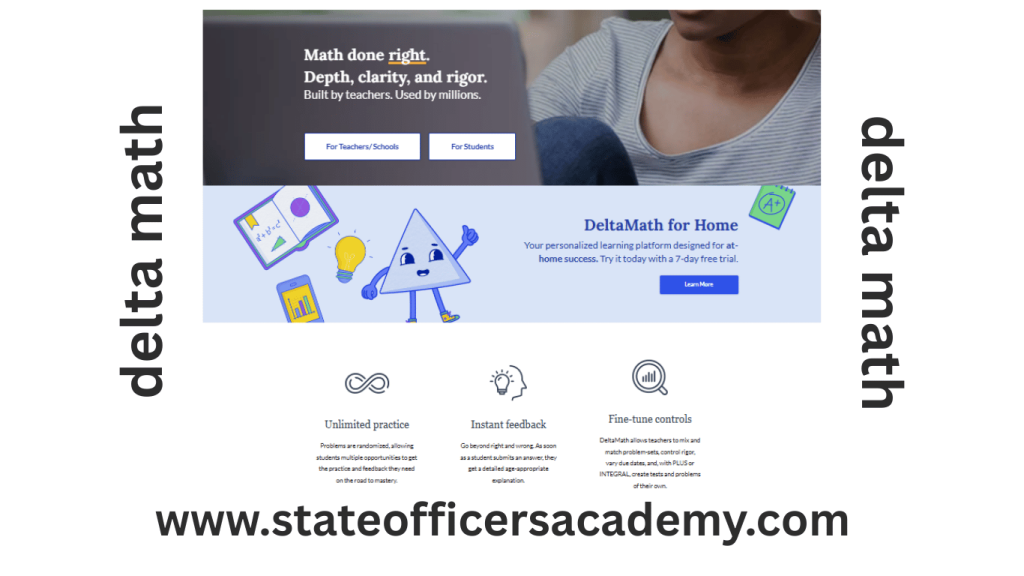
What Is DeltaMath?
DeltaMath is a web-based math practice and learning platform that gives students customizable assignments, instant feedback, and real‑time analytics to support mastery. Teachers use DeltaMath to assign practice sets, automate grading, and monitor progress across middle school, high school, and early‑college courses (algebra through calculus). DeltaMath
At its core, DeltaMath follows a clear learning loop: practice → feedback → mastery. That combination of repeated practice, immediate hints, and performance data helps students strengthen skills and helps teachers target instruction. The Blup
Why DeltaMath Matters in Today’s Digital Classroom
Blended and remote classrooms need tools that deliver content and clearly measure student understanding. DeltaMath addresses that need in four practical ways:
- Providing instant feedback so students learn from mistakes immediately and use hints to correct approaches. DGM News
- Automating grading and assessment, saving teachers time by auto‑grading many problem types and providing immediate results for assignments and tests. DeltaMath
- Supporting differentiated instruction through adjustable problem sets and adaptive sequencing so teachers can assign different sets or difficulty levels to meet varied student needs. GeekZilla.io
- Offering detailed progress analytics so teachers can monitor accuracy, time on task, attempts, and mastery by standard at both the student and classroom levels. DGM News
At a glance: instant feedback, auto‑grading, adaptive assignments, and real‑time analytics — a combination that supports targeted instruction and faster skill growth in the classroom and for at‑home practice.
How to create an account: teachers and students can sign up for a free account or explore premium features; see the official DeltaMath site for plan details and a quick start guide.
Key Features of DeltaMath
DeltaMath bundles teacher-focused tools and student-facing practice so classrooms can run efficient, data-driven math instruction. Below are the core features, with short examples and practical notes for classroom use.
1. Extensive Problem Library
DeltaMath offers a broad library — officially reported as over 1,800 problem types across algebra, geometry, statistics, and calculus — with randomized values so students receive unique versions. Example use: assign a factoring practice set (Delta math factoring) where each student gets different coefficients to reduce copying and increase genuine skill practice. This variety supports repeated practice and builds procedural fluency.
2. Customizable Assignments
Teachers can build and modify assignments to match curricula and student levels. You can set difficulty, number of questions, attempts allowed, and due date for each assignment. Quick 3-step example: choose topic → select number of problems and difficulty → set due date and assign to class. Practical tip: create separate sets for remediation and enrichment so many students get targeted practice instead of one-size-fits-all homework.
3. Instant Feedback and Hints
Students receive immediate feedback and step hints on most problems, helping them correct misconceptions in the moment. That feedback loop (practice → feedback → mastery) reduces confusion and supports independent work. Note: answer format can be strict on some numerical or symbolic inputs — provide a short answer-entry guide for students to reduce penalties due to formatting.
4. Real-Time Progress Tracking
DeltaMath dashboards show completion rates, accuracy, time spent per problem, and attempts per student or class. Teachers can quickly spot students who need intervention and export class-level reports. Use these analytics to decide which lesson or module to reteach and which students need a targeted set.
5. Integration with Learning Management Systems
DeltaMath supports integrations with Google Classroom, Canvas, Schoology, Clever, and ClassLink for roster sync, SSO, and grade passback. That makes it easier to push assignments into existing classroom workflows and keep grades centralized. Confirm your district’s LMS settings for the exact grade‑passback behavior.
6. Test Creation and Test Corrections
Teachers can build tests in DeltaMath and then auto-generate targeted remediation assignments based on missed items. The “test correction” workflow links missed test questions to specific practice sets so students revisit the exact skills they missed, turning assessments into learning opportunities rather than only grading events.
7. Interactive Graphing and Tools
For algebra and calculus topics DeltaMath includes interactive graphing and visualization tools so students can plot functions and explore behavior. If you need advanced graphing, pair DeltaMath practice with the Desmos graphing calculator for richer visual exploration — for example, use Desmos for exploratory graphing activities, then assign DeltaMath problem sets that test skills from that exploration.
Practical CTA for teachers: try a sample factoring assignment to see features in action — build a quick set, set a due date, and review the instant analytics after a few students complete it. (Tip: include a brief “how to enter answers” note for students to reduce formatting issues.)
Benefits for Students
DeltaMath isn’t just a grading system — it functions as a learning engine that helps students build skills, confidence, and independent study habits through targeted practice and immediate feedback.
Personalized Learning Paths
Students can progress at their own pace, focusing extra practice on topics where they struggle and moving forward when they demonstrate mastery. Teachers can assign different sets to different groups, so many students receive tailored practice rather than the same worksheet. Practical example: assign a remediation set on a specific module after a quiz to small groups who need extra work.
Confidence Building Through Mastery
Repeated correct practice and instant hints help students replace guessing with understanding. As students see improvement in accuracy and reduced attempts per question, their confidence grows — especially when teachers use analytics to celebrate progress and adjust supports for learners who need more time.
Enhanced Engagement
Randomized problem parameters and immediate, meaningful feedback keep students more engaged than static homework. Because each student receives slightly different problems, there’s less copying and more authentic practice — ideal for daily homework or in-class practice sets that build fluency.
Preparation for High-Stakes Exams
DeltaMath’s problem styles and timed-set options align well with typical classroom and standardized assessment formats, making it useful for test prep. Teachers can create exam-style sets or combine DeltaMath practice with review lessons to prepare students for unit tests or state assessments.
Advantages for Educators
DeltaMath gives teachers practical tools to save time and deliver more targeted instruction.
Time Savings Through Automated Scoring
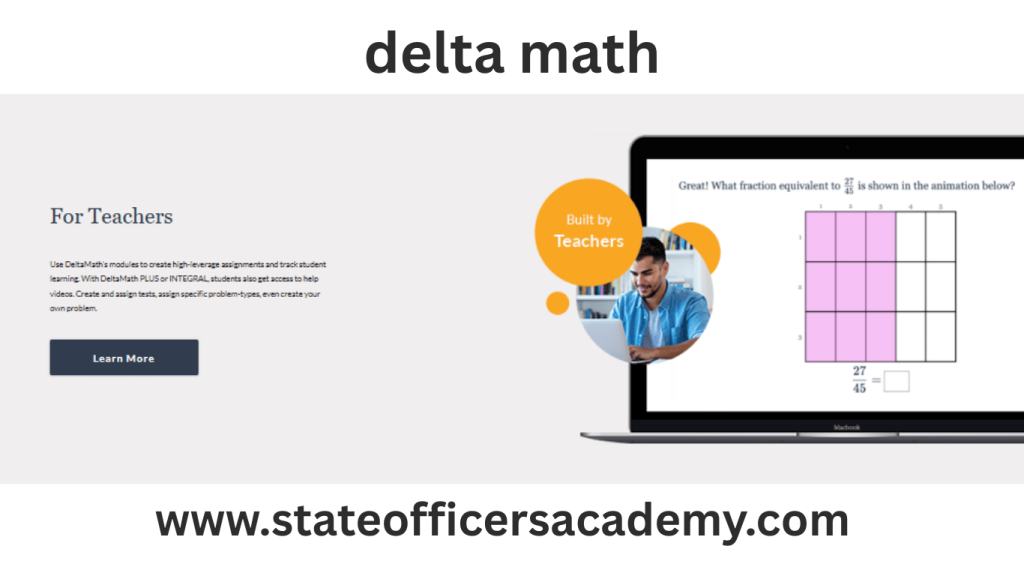
Auto-grading removes much of the administrative burden of grading routine practice and many test items, freeing teachers to plan instruction and interventions. Use grade exports to add results to your gradebook and reduce manual data entry time.
Customization for Differentiation
Teachers can create multiple versions of an assignment (different difficulty, topic focus, or number of questions) and assign them to specific students or classes. That flexibility supports differentiation inside a single classroom and across grade-level teams.
Data-Driven Instruction
Dashboards provide class- and student-level insights — accuracy, attempts, time spent, and standards mastery — so teachers can target lessons to the topics or skills where students need the most support. Use the data to plan a quick intervention cycle: diagnose → assign targeted sets → monitor progress.
Scalable Classroom Management
Manage multiple classes, copy or adapt assignments across groups, and collaborate with colleagues to share sets and lesson plans. This makes it easier to roll out consistent homework, unit reviews, or remediation across a department.
Delta Math intervention tip: run a short diagnostic quiz, group students by result, assign targeted remediation sets, and re-check progress after one week — this rapid cycle helps close gaps efficiently.
Teacher CTA: try a short pilot — assign a 10‑question practice set on a single topic (for example, factoring), set a reasonable due date, and review the analytics the next day to spot students who need follow-up.
DeltaMath in Practice: Classroom Use Cases
Flipped Classroom Instruction
Use DeltaMath to assign short, focused practice sets for homework so classroom time becomes student-centered problem solving and discussion.
- Teacher prep (10–15 min): pick a topic (e.g., quadratic factoring), create a 10‑question practice set, set a due date and allowed attempts.
- At home (15–25 min): students complete the DeltaMath set and review instant feedback and hints.
- In class (30–40 min): use analytics to identify common errors, group students by need, and run targeted activities or whiteboard talks on the tricky questions.
Benefit: many students get targeted practice before class, and teachers can focus class time on the topics that require the most instructional attention.
Homework and Practice
DeltaMath supports traditional homework cycles with randomized problem parameters to reduce copying and increase independent practice.
- Assign daily practice sets (5–15 minutes) to build fluency.
- Set clear expectations (attempt limits, due date, and a short answer-entry guide) to reduce formatting penalties and student frustration.
- Use analytics to spot students who need a quick intervention rather than assigning the same homework to every student.
Test Review and Correction
After tests, link missed questions to targeted DeltaMath remediation sets so students practice the exact skills they missed.
- Run a short diagnostic to group students by error type.
- Assign follow-up practice sets tailored to those errors (example: specific factoring problems for students who missed factoring items).
- Reassess or require a short reflection to confirm learning gains.
Limitations and Criticisms
No platform is perfect, and DeltaMath has received mixed feedback. Below are common concerns and practical ways to address them.
Student Frustration with Answer Formats
Issue: Some students are frustrated when correct reasoning is not accepted because of answer formatting. Source: anecdotal reviews (forums like Reddit) and user reports.
Mitigation tips:
- Provide a one‑page answer format guide showing acceptable numeric, fractional, and decimal entries.
- Include example answers in the assignment description and a short in-class demo on how to enter expressions.
- Allow a small number of extra attempts while students learn the format to avoid penalty for honest formatting errors.
Engagement and Interface Concerns
Issue: Some reviewers describe the interface as functional rather than “gamey” or highly interactive.
Mitigation tips:
- Combine DeltaMath practice with hands-on or group activities (use DeltaMath for skill practice, then use class time for collaborative problem solving).
- Use external visual tools (Desmos graphing calculator) for exploratory tasks, then assign DeltaMath for structured practice and checks for understanding.
Limited Social Interaction
Issue: DeltaMath does not replace classroom discourse; it’s not built for rich collaborative problem solving.
Mitigation tips:
- Pair DeltaMath sets with structured peer review or small-group stations that encourage discussion after independent practice.
- Schedule brief synchronous checks (teacher-led or student presentations) to surface reasoning and strategies.
Despite these concerns, many teachers report that DeltaMath’s academic value and customization capabilities outweigh the drawbacks when paired with deliberate classroom discussion and supports.
DeltaMath Plus and Premium Features
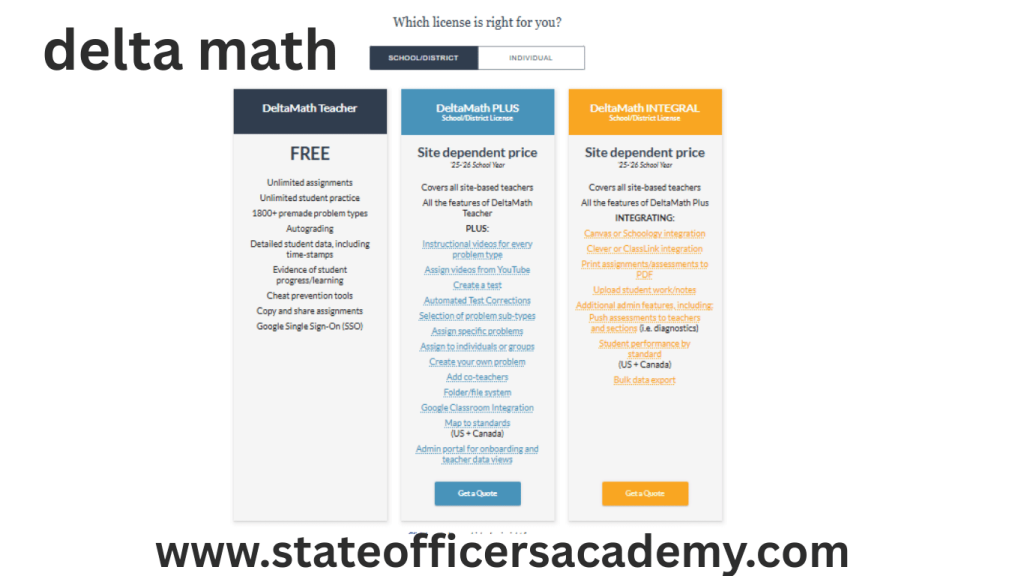
DeltaMath provides a capable free tier, but many teachers and schools choose premium accounts to unlock advanced tools that accelerate remediation and test prep.
- Video explanations and instructional content — short walkthroughs that students can watch when a topic proves challenging. (See the official DeltaMath teachers page for availability and examples.) DeltaMath
- Advanced analytics and reporting — deeper class and student reports (attempts, average time, mastery by standard) that help teachers prioritize interventions and plan lessons. The Blup
- Adaptive problem sets tailored to student progress — premium adaptive features adjust difficulty or suggest follow-up sets based on recent performance, making remediation more efficient. The Blup
- Exam-style practice and enhanced notes — premium sets that mimic test timing and format, plus richer instructor notes for lesson planning and remediation. The Blup
These premium tools are particularly useful for comprehensive test prep and deeper remediation planning; check the official DeltaMath pricing page for exact feature availability and licensing options.
Tips to Maximize Learning on DeltaMath
Practical strategies for students and teachers to get the most from the platform.
For Students
- Read feedback carefully — use hints and solution steps to revise your approach instead of guessing. This reduces repeated attempts and builds true understanding. DGM News
- Practice consistently — short, daily practice sets (5–15 minutes) build fluency more effectively than infrequent long sessions. Editorialge
- Use video resources — when available, watch Delta math videos or teacher-provided walkthroughs for tough topics, then practice related problem sets. A sample routine: watch a 5–8 minute video, attempt 5 targeted problems, and review feedback. DeltaMath
For Teachers
- Customize assignments using diagnostics and standards-aligned modules — tailor sets by topic or unit and set appropriate due dates to scaffold learning. GeekZilla.io
- Link test errors to remediation sets — after a test, assign targeted practice on missed standards and track progress through the analytics dashboard. DeltaMath
- Integrate with your LMS for roster sync and grade passback — this keeps assignments and grades aligned with classroom systems and reduces duplicate work. DeltaMath
Frequently Asked Questions (FAQs)
Is DeltaMath suitable for all grade levels?
DeltaMath is most effective for middle school to high school math (algebra, geometry, precalc, calculus) and can also support early college courses. Teachers often use it for targeted skill practice, unit review, and homework across grades.
Can students use DeltaMath outside of school?
Yes. DeltaMath is web-based and accessible from any device with an internet connection, so students can practice at home or on the go. There is no separate requirement for in‑school access — just a browser and login.
Does DeltaMath have an app?
DeltaMath does not require a native app for most functionality; the website is mobile-friendly and works well on tablets and phones. If you need an app-like experience, check whether your browser supports installing the site as a Progressive Web App (PWA) or use the platform on a tablet for the best touch experience. (Always confirm the current status on the official site for any new releases.)
How do I create a DeltaMath account?
Quick sign-up (student or teacher):
- Go to the DeltaMath site (link in this guide).
- Choose “Sign up” and select Teacher or Student — enter your school email or join with a class code if provided.
- Confirm your account and follow the onboarding prompts to join a class or create your first assignment.
Where can I find Delta math videos?
DeltaMath may include video explanations in premium tiers. Teachers can also upload or link teacher-created walkthroughs. Look for video resources on the official DeltaMath teachers page or ask your teacher for links to recommended videos and walkthroughs.
Does DeltaMath include a calculator and what formats are accepted?
DeltaMath includes basic built‑in tools for numeric and symbolic answers; specific problems may allow decimals, fractions, or exact expressions. For richer visual exploration (graphing), many teachers pair DeltaMath with the Desmos graphing calculator. Provide students with an answer-entry guide so they know whether to submit fractions, decimals, or simplified expressions to avoid formatting penalties.
How does DeltaMath handle grading?
Most assignments are auto-graded, with instant feedback and hints. Some open-response types may require teacher review. Check the assignment settings for attempts allowed, due date handling, and grade export options to your LMS.
Conclusion
DeltaMath stands as a versatile and powerful platform for math practice, assessment, and skill development. Its mix of instant feedback, customizable assignments, real‑time analytics, and LMS integrations makes it a strong option for modern classrooms and remote learning.
It’s not perfect — some students may find the interface less engaging and answer formatting can cause occasional penalties — but when paired with deliberate classroom discussion and teacher-led interventions, DeltaMath’s adaptive practice and analytic insights deliver measurable learning gains.
Next steps: try DeltaMath free today — create an account, explore a sample factoring practice set, or request a teacher demo to see premium analytics in action.
Further resources: official help & support, Delta math videos and walkthroughs on the teachers page, and downloadable sample lesson plans and remediation templates for quick classroom pilots.

Alright, me88casino is on my radar. The vibes are nice, and I’ve heard some good things. See for yourself here me88casino