
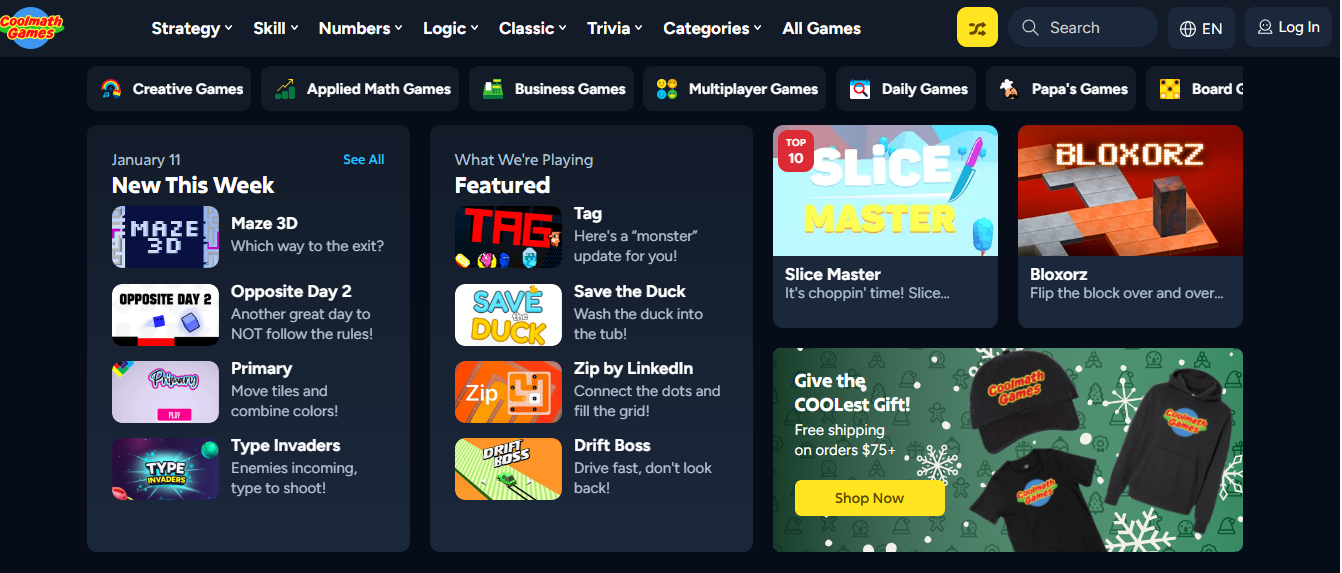
If you’ve ever looked for a more engaging way to practice arithmetic or sharpen reasoning, you’ve likely searched for coolmath, cool math games, or similar terms. This guide explains what those sites are, why they’ve become popular, and how combining playful games with structured practice can improve learning.
What you’ll get from this guide:
- coolmath and the evolution of cool math
- Popular browser-based educational fun with coolmath game platforms
- Structured practice with deltamath
- Differences between math games cool math games and delta maths
- Why cool cool math games cool math games and cool games cool math games are trending search terms
Whether you’re a teacher, parent, or learner, this post gives clear information on how to use these web-based resources effectively — from quick warm-ups to week-long practice plans. Scroll to the section you need or read straight through to learn practical ways to combine playful games with targeted practice.
What Is coolmath?
When people search for coolmath, they’re usually looking for web-based resources that make math more fun, engaging, and accessible. In practice, “coolmath” refers to a group of related websites and products designed to turn practice and concept review into play — helping learners build skills through puzzles, lessons, and interactive activities.
The brand family commonly associated with coolmath includes:
- The main Coolmath educational site — offers bite-sized lessons, visual explanations, and games that introduce concepts like fractions, decimals, and basic algebra in approachable ways. This site is often used as a quick review or supplemental resource.
- Cool Math Games — a large collection of browser games that blend logic, strategy, and reflex challenges; examples include number puzzles and pattern-based games that reinforce arithmetic and planning skills.
- Coolmath4Kids — a child-focused offshoot with simpler games and activities targeting early numeracy (counting, addition, subtraction) and designed for younger learners and classroom warm-ups. coolmathgames.com+1
Originally launched in the 1990s, cool math platforms grew from niche educational pages into a broader ecosystem of sites and games. Over time the cool math / cool math games family expanded to include thousands of activities on the site and related website properties that mix short lessons with hands-on practice. (Confirm the exact launch year and brand relationships if you need precise historical details.) Wikipedia
cool math games: Where Logic Meets Fun
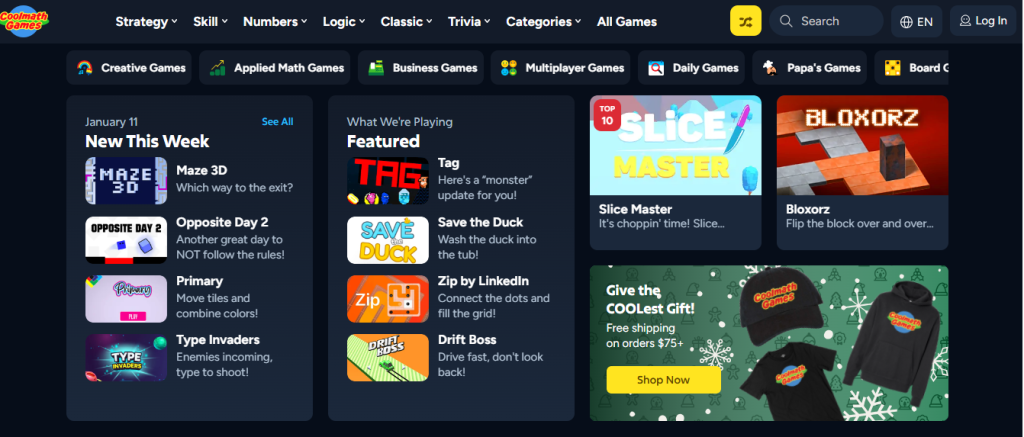
One of the most searched phrases tied to coolmath is cool math games (also seen as math games cool math games). This points to Cool Math Games, a widely used web portal and collection of browser-based games that challenge thinking and make practice feel like play.
Key Features of cool math games
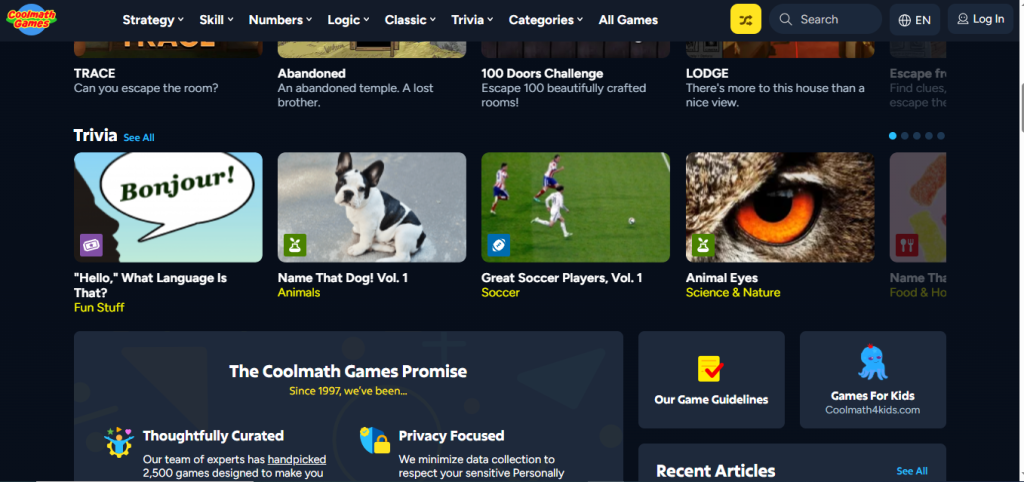
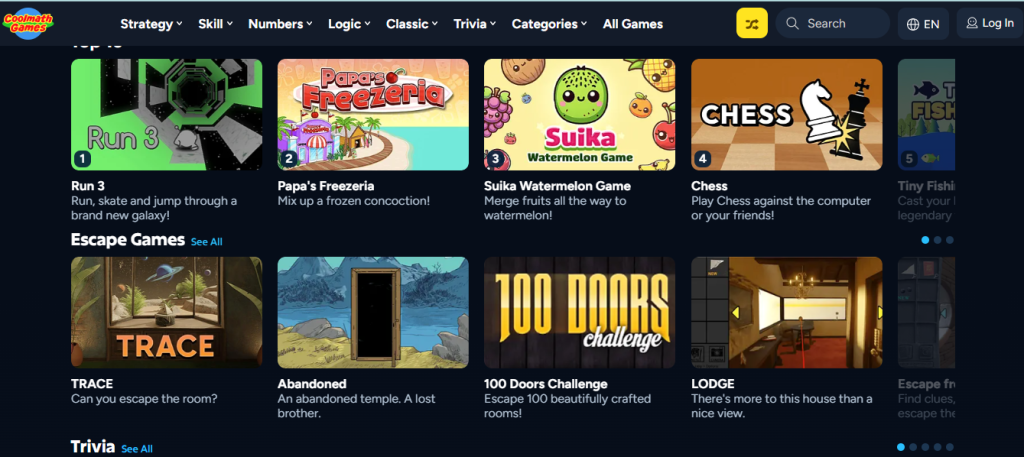
- Large collection of games: From number puzzles to logic challenges and strategy titles, the site hosts a wide range of game types — for example, puzzle-style titles like 2048 (number manipulation) and platform/strategy games such as Fireboy & Watergirl that practice planning and sequencing.
- No downloads required: Games load in the browser on desktop or mobile, so students and families can try a game immediately without installing software — useful for quick warm-ups in class or at home.
- Accessible everywhere: Most titles play on computers, tablets, and many phones; teachers should test a few sample games on classroom devices to confirm performance and touch controls.
- Entertainment + cognitive skills: Well-designed games promote logic, arithmetic fluency, pattern recognition, and quick decision-making — all brain-building activities that complement lesson time.
Popular examples like 2048 and Math Clash involve numerical reasoning and strategic moves, making many cool math math games both intuitive and educational. If you plan to assign games, try one sample game in advance to check ads and loading behavior on your school site or website.
Altogether, the cool cool math games cool math games experience blends fun and learning in ways that engage learners while building critical thinking. For classroom ideas, use a 5–10 minute Cool Math Games warm-up to get students’ brains moving before a focused practice activity.
Learning With a Purpose: deltamath
While coolmath and its cool games cool math games collection emphasize play and engagement, deltamath focuses on structured practice designed to build mastery. It’s a complementary tool for teachers and families who want measurable improvement rather than just entertainment.
What Is deltamath?
DeltaMath is an online platform used by educators and students to practice targeted math skills through problem sets and interactive questions. Teachers can assign exercises, collect results, and use built-in analytics to track progress and plan next steps. deltamath.com
Unlike cool math games, which are primarily gamified and exploratory, delta maths prioritizes systematic skill-building and assessment. Typical features include:
- Instant feedback: Students submit answers and receive step-by-step explanations or selectable hints, helping them learn from mistakes in real time. This immediate data can guide next steps for teachers.
- Teacher tools: Educators can mix problem sets, control difficulty, schedule assignments for the week, and export performance reports—useful for planning lessons and parent communication.
- Grade-level coverage: The platform covers many skills from middle school through high school (algebra, geometry, precalculus), making it suitable for differentiated classroom use and focused review before tests.
Who should use DeltaMath? Teachers, tutors, and families seeking measurable skill growth and clear information on student performance will find it especially useful. Before adopting, review the platform’s privacy and data-handling policies to ensure compliance with your school’s rules—DeltaMath collects performance data to power analytics, so check privacy settings and account options. deltamath.com
Quick classroom use case: assign a targeted DeltaMath set (10–20 problems) after a lesson, let students practice for a week, then review the analytics to personalize follow-up lessons. For teachers evaluating platforms, consider a short pilot and request a demo or trial account—also perform a brief privacy review to confirm how student data is stored and shared.
How coolmath and deltamath Differ
Students and educators often compare cool math cool math games with delta maths. Both support math ability, but they do so in different ways — one leans toward engagement and exploratory play, the other toward structured practice and measurement.
| Featurecoolmath / cool math gamesdeltamath | ||
| Learning Style | Play-based, game-focused — builds interest, logic and quick thinking | Structured, practice-focused — builds procedural fluency and mastery |
| Primary Audience | All ages; casual players and kids | Primarily school students (middle–high school) and teachers |
| Teacher Integration | Minimal — quick classroom warm-ups or rewards | Strong — assignments, grading, and reporting tools |
| Feedback | Game success/failure and implicit learning signals | Detailed solution feedback, instant correction, and performance data |
| Goal | Engagement with logic and strategy through play | Mastery of math skills and curriculum alignment |
In practice: use Coolmath-type games to spark interest and practice intuition, and use DeltaMath-style sets to solidify concepts and measure progress.
Best combined workflow (example): a 5–10 minute Coolmath warm-up to activate students’ brains, a 20–30 minute DeltaMath assignment aligned to that day’s lesson, then a 5-minute reflection or quick quiz. For teachers running short class periods, scale the DeltaMath set to fewer problems or assign some work for the week as homework, then review results together.
Try this quick educator CTA: run a one-week pilot where one class uses the combined workflow and another follows traditional practice; compare student engagement and review the performance reports for a practical review of outcomes.
Why math games cool math games Is Trending
Search behavior shows many variations of the same intent — users want playful, web-based ways to practice math. Examples of commonly seen queries include:
- cool math cool math games
- cool cool math games
- cool cool cool math games
- cool math cool math cool
- cool math g
These search patterns reflect two clear trends: learners want practice that feels like play, and content creators optimize for long-tail queries to reach specific audiences. Below are three practical reasons this topic is popular right now.
1. Fun learning is the new norm
Interactive games and puzzle activities make abstract concepts concrete and motivate students to spend more time practicing — a simple way to boost daily engagement and get students thinking before a lesson.
2. Search patterns favor variations (but don’t overdo it)
Long-tail and repetitive phrases can surface content in niche searches, helping sites attract specific traffic. That said, keyword stuffing is counterproductive: the best approach is to use natural variations that match user intent and provide useful information.
3. Teachers blend play and practice
Many classrooms combine a short Coolmath-style warm-up with a targeted DeltaMath practice set to balance motivation and mastery. Example workflow: a 10-minute game to activate the brain, then a 20–30 minute practice set aligned to the day’s objective — this way, students get both playful exposure and measurable skill work.
Quick SEO and privacy notes: if you publish resources for kids, pay attention to privacy policies and data handling on the websites you recommend. Always include clear information about account setup, data collection, and parental consent where required.
Benefits of coolmath Platforms
Whether you’re using coolmath games for quick practice or a structured tool like deltamath for mastery, these types of sites offer measurable advantages for learners and educators.
For Students
- Improved critical thinking — many games require planning, pattern recognition, and multi-step reasoning, which strengthens logical problem-solving.
- Increased engagement — playful challenges and immediate rewards motivate learners to spend more time practicing each day.
- Self-paced learning — students can replay levels or retry problem sets until they grasp concepts, supporting mastery at their own pace.
- Hands-on skills practice — interactive tasks reinforce arithmetic fluency, spatial reasoning, and strategic thinking.
These benefits make cool math games and targeted practice platforms useful supplements to classroom instruction, especially when teachers blend both approaches.
For Parents and Educators
- Insight into learning progress — structured sites provide reports and logs that help adults see where a student needs extra support.
- Structured assignments with immediate feedback — teachers can assign specific problem sets and let automated feedback speed up the learning loop.
- Fun alternatives to textbooks — using games and interactive modules can refresh a classroom routine and reach students who struggle with worksheets.
Best for: quick warm-ups and engagement — Coolmath-style games; grading, tracking, and mastery — DeltaMath-style practice. Try a blended plan: a 5–10 minute game to activate students’ brains, followed by a focused DeltaMath assignment for assessment and remediation.
Note on privacy: when assigning sites to kids, review each platform’s privacy settings and data policies to ensure student information is handled appropriately.
Tips for Using coolmath and deltamath Effectively
To maximize learning from both cool math games and structured practice, use simple classroom-tested strategies that balance engagement and measurable progress.
Combine Play and Practice
Make games a purposeful warm-up or reward. Example: 5–8 minutes of a Cool Math Games title to activate students’ brains, followed by a focused DeltaMath problem set tied to that day’s lesson. Short game sessions help students switch into problem-solving mode and make the learning fun.
Set Clear Objectives
Before assigning activities, decide the learning goal (e.g., “identify equivalent fractions” or “solve one-step equations”). Assign a DeltaMath module that practices the target skill, and pick Coolmath games that reinforce related thinking skills like pattern recognition or strategy. Younger learners: 3–5 minute games; older students: 8–12 minutes.
Monitor Progress
Use DeltaMath analytics to track mastery, attempt counts, and common errors; review results weekly and adjust assignments. A simple rubric teachers can use: attempt threshold (e.g., 70% correct), number of retries allowed, and one targeted remediation activity for students below the threshold.
Practical one-week plan: Day 1 — 8-minute Coolmath warm-up + DeltaMath set (10–15 problems); Days 2–4 — smaller practice sets; Day 5 — quick quiz and review of DeltaMath reports to plan next week.
Quick reminders: test chosen games on classroom computers or tablets ahead of time to confirm performance and touch controls; check pop-up behavior and ads. Also, review each platform’s privacy and data policies before creating student accounts—especially when using sites with external ad networks.
Final Thoughts: coolmath, cool math games, deltamath, and Beyond
Online math resources now span a wide range of sites and approaches. Platforms like coolmath and cool math games turn practice into interactive play, while structured tools such as deltamath provide targeted practice, detailed feedback, and reporting for teachers.
If you’re wondering where to start, try this simple way: begin a lesson with a short Coolmath-style warm-up game to activate students’ brains, then assign a focused DeltaMath practice set that matches the day’s objective — this combination uses game-based learning for motivation and structured practice for mastery.
Next steps and resources: pilot a one-week plan (5–10 minute warm-ups + DeltaMath sets), review results, and refine. Before you roll it out widely, do a quick platform review of each site’s privacy and data policies. For teachers and parents, this balanced approach is an effective, practical strategy to boost confidence and real progress in math — one small game and one targeted practice session at a time.