

Introduction: Why AI Video Generation Platforms Matter Now
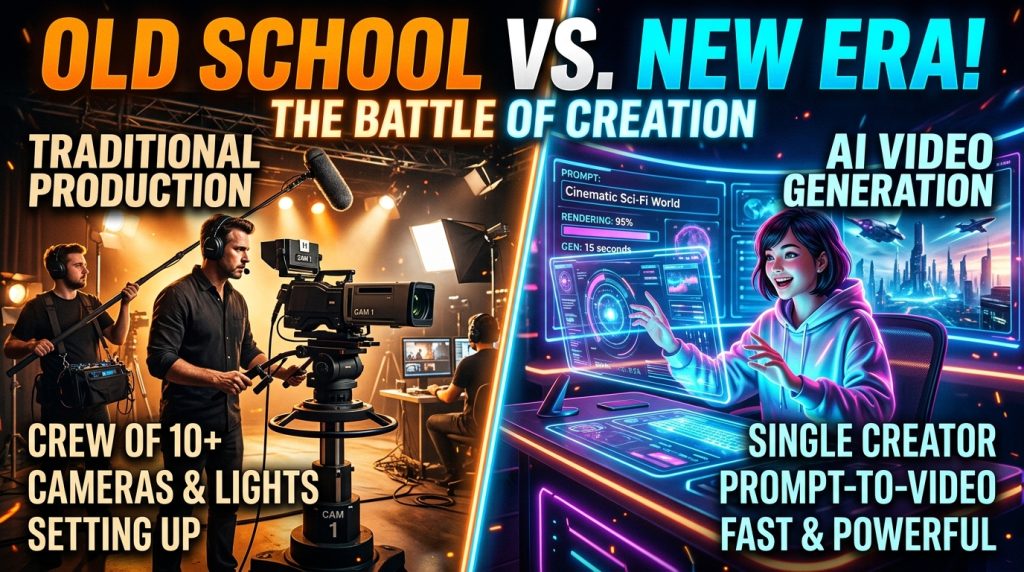
AI video generation platforms are rapidly reshaping how video content is produced, edited, and distributed. What previously required expensive cameras, studios, actors, editors, and post-production teams can now be accomplished using software powered by generative models.
At their core, an AI video generation platform is a system that uses machine learning models—particularly diffusion models, transformers, and multimodal AI—to convert inputs such as text prompts, images, audio, or scripts into video outputs. These platforms are not just tools; they represent a shift toward automated, scalable content production.
Today, businesses, creators, educators, marketers, and filmmakers use AI video platforms to:
- Generate promotional videos in minutes
- Create social media content at scale
- Produce training and educational materials
- Prototype cinematic scenes without filming
- Localize content across languages instantly
This article provides a deep, structured, SEO-optimized breakdown of AI video generation platforms, including how they work, the best tools available, real-world use cases, limitations, and future trends.
1. What Is an AI Video Generation Platform?
An AI video generation platform is a software system that leverages artificial intelligence to automate or assist in video creation. Instead of manually recording footage and editing it, users can generate videos using:
- Text prompts (text-to-video)
- Images (image-to-video)
- Audio narration (speech-driven video)
- Scripts (script-to-video pipelines)
- Avatars or synthetic presenters
Core Technologies Behind AI Video Platforms
Most modern systems rely on:
- Diffusion models: Generate frames progressively to create realistic motion
- Transformer architectures: Understand text prompts and narrative structure
- Generative adversarial models (GANs) (in older systems)
- Multimodal models: Combine text, image, and audio understanding
- Neural rendering engines: Produce realistic motion and lighting
These technologies allow AI systems to simulate physics, motion, lighting, and scene coherence.
2. How AI Video Generation Works (Step-by-Step)
Although platforms vary, most AI video generation systems follow a similar pipeline:
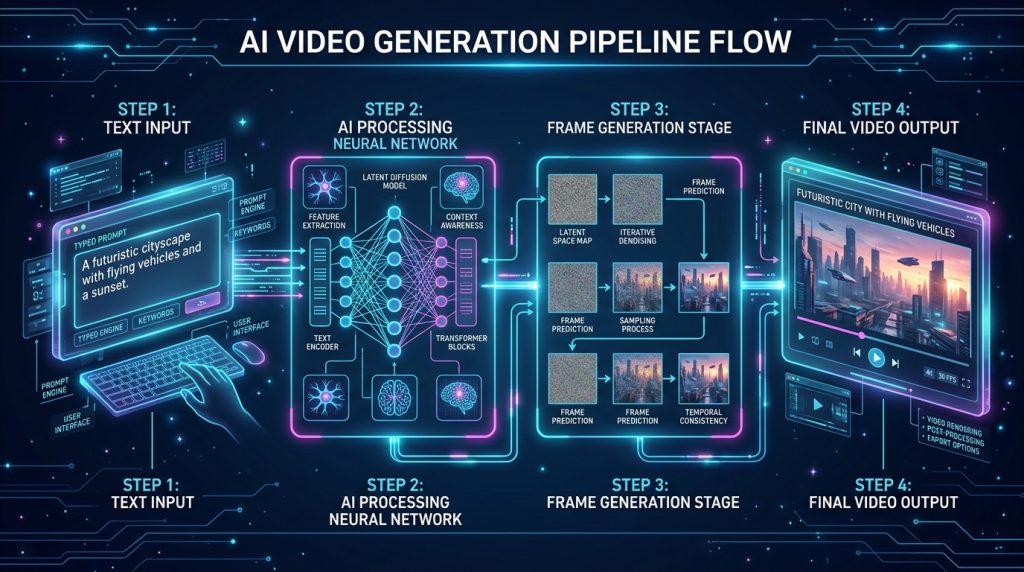
Step 1: Input Processing
Users provide:
- Text prompt (“A futuristic city at sunset with flying cars”)
- Image reference
- Script or narration
- Style instructions
Step 2: Semantic Understanding
The AI interprets:
- Objects in the scene
- Motion dynamics
- Lighting and environment
- Style (cinematic, animation, realistic)
Step 3: Frame Generation
The model generates:
- Key frames
- Transitional frames
- Motion consistency between frames
Step 4: Temporal Coherence
AI ensures:
- Objects remain consistent across frames
- Motion appears smooth
- No flickering or distortions
Step 5: Rendering & Upscaling
Final output is:
- Rendered into video format
- Upscaled to HD/4K depending on platform
3. Types of AI Video Generation Platforms
AI video tools fall into five major categories.

3.1 Text-to-Video Generators
These platforms create videos directly from prompts.
Example platforms:
- Runway — https://runwayml.com
- Pika Labs — https://pika.art
- Luma AI — https://lumalabs.ai
Key capabilities:
- Cinematic video generation
- Scene creation from prompts
- Stylized animation outputs
- Experimental filmmaking tools
Use cases:
- Storyboarding films
- Social media clips
- Creative ads
- Concept visualization
3.2 AI Avatar Video Platforms
These platforms generate human-like presenters.
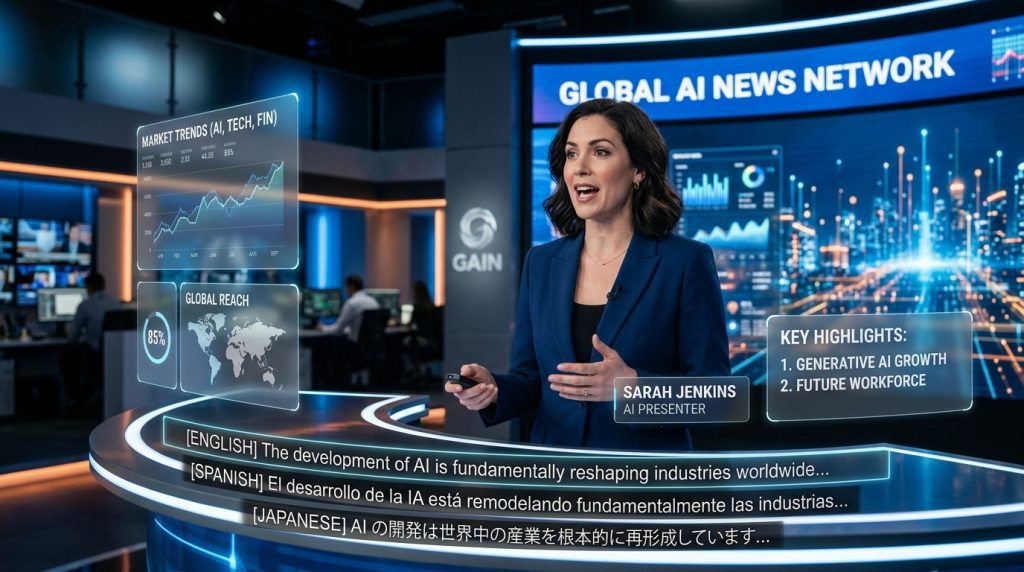
Example platforms:
- Synthesia — https://www.synthesia.io
- HeyGen — https://www.heygen.com
Key capabilities:
- Script-to-spoken video
- Lip-synced avatars
- Multilingual narration
- Corporate training videos
Use cases:
- Corporate onboarding
- Explainer videos
- Sales outreach videos
- E-learning content
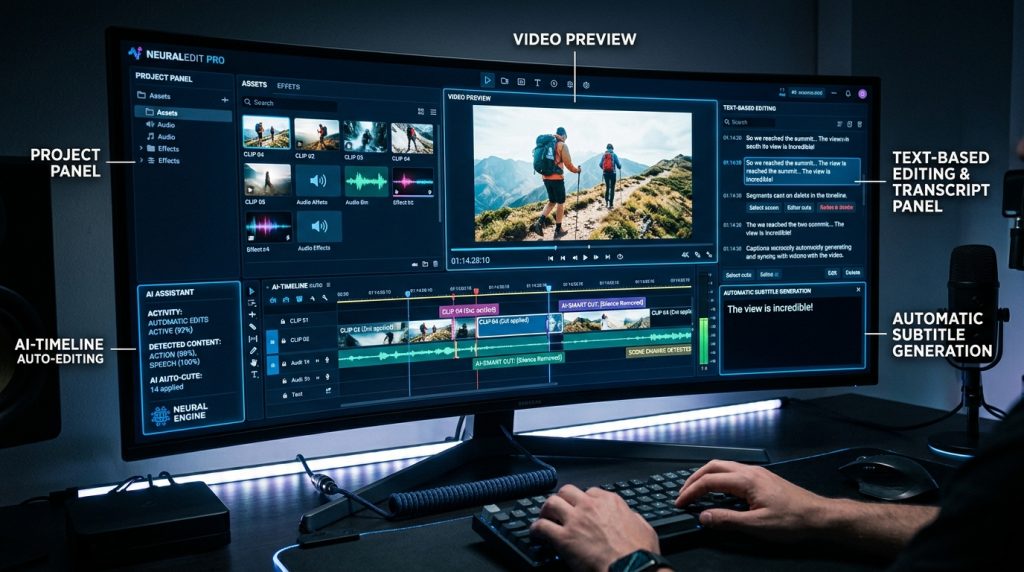
3.3 AI Video Editing Platforms
These tools enhance and automate editing rather than generating full videos.
Example platforms:
- Descript — https://www.descript.com
- CapCut — https://www.capcut.com
- InVideo — https://invideo.io
Key capabilities:
- Text-based video editing
- Auto captions and subtitles
- Scene trimming automation
- Template-based video creation
Use cases:
- YouTube content production
- Podcast editing
- Social media clips
- Marketing campaigns
3.4 Hybrid AI Production Platforms
These combine generation + editing + templates.
They allow users to:
- Generate visuals
- Add AI voiceovers
- Apply editing templates
- Export finished videos
These are increasingly popular for marketers who want end-to-end automation.
3.5 Specialized AI Video Tools
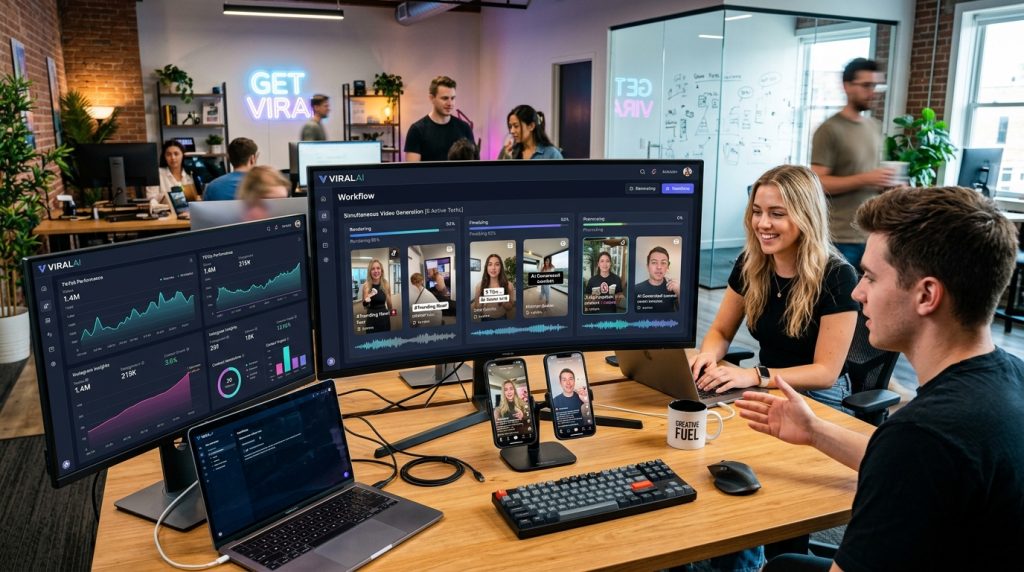
These focus on niche tasks like:
- Background removal
- Motion tracking
- 3D scene generation
- Face swapping
- Voice cloning
They often integrate into larger workflows.
4. Key Features of Modern AI Video Generation Platforms
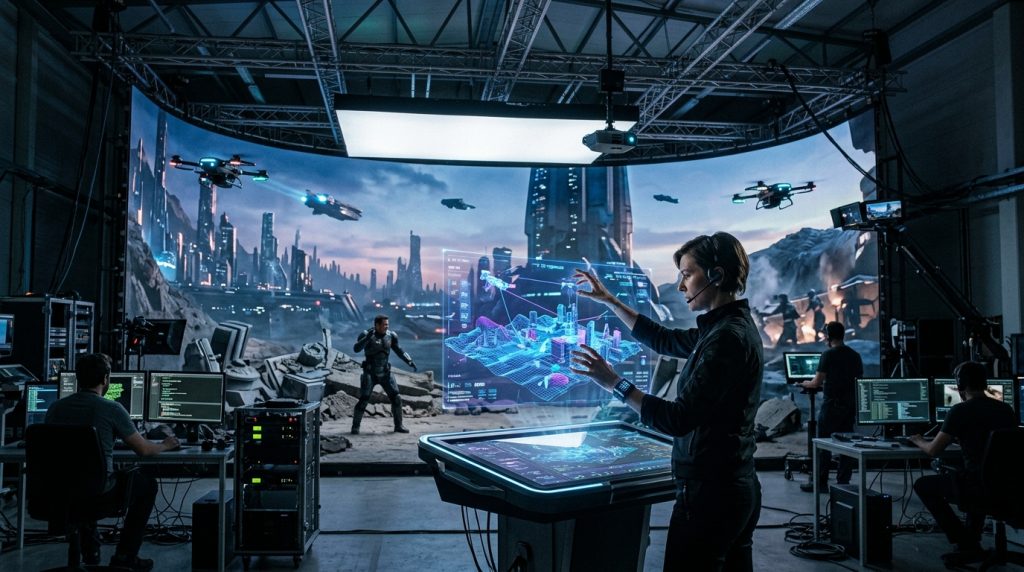
4.1 Text-to-Video Generation
Users can describe a scene and generate video instantly.
Example:
“A cinematic drone shot over snowy mountains at sunrise.”
The system generates motion, lighting, and environmental detail automatically.
4.2 Image-to-Video Animation
Static images are animated into motion sequences.
Common uses:
- Product animations
- Historical image restoration
- Social media content
4.3 AI Avatars and Digital Humans
Platforms like Synthesia and HeyGen create:
- Realistic presenters
- Talking head videos
- Corporate spokespeople
4.4 Script-to-Video Automation
Entire scripts are converted into structured videos:
- Scene segmentation
- Voice generation
- Stock footage integration
4.5 AI Video Editing
Includes:
- Auto-cutting silences
- Removing filler words
- Auto captions
- Smart cropping for platforms
5. Best AI Video Generation Platforms in 2026
5.1 Runway (Industry Leader)
Runway
Runway is one of the most advanced AI video generation systems available.
Strengths:
- High-quality cinematic output
- Advanced motion controls
- Strong research-backed models
- Integrated editing suite
Weaknesses:
- Limited free usage
- Requires learning curve for advanced features
5.2 Pika Labs (Fast Creative Generation)
Pika Labs
Pika is designed for speed and creativity.
Strengths:
- Fast generation
- Highly stylized outputs
- Easy prompt system
Weaknesses:
- Less realism than competitors
- Short clip duration limits
5.3 Luma AI (Realism and 3D Motion)
Luma AI
Luma focuses on realism and spatial consistency.
Strengths:
- 3D-aware video generation
- Realistic motion
- Strong environmental depth
Weaknesses:
- Limited editing tools
- Computationally intensive
5.4 Synthesia (Corporate AI Video)
Synthesia
Synthesia is widely used in enterprise environments.
Strengths:
- Professional avatars
- Multi-language support
- Script-driven video creation
Weaknesses:
- Less creative flexibility
- Corporate-style visuals only
5.5 HeyGen (Marketing & Influencer Videos)
HeyGen
HeyGen specializes in avatar-based marketing content.
Strengths:
- Realistic lip sync
- Face cloning features
- Social media optimization
Weaknesses:
- Ethical concerns around deepfake use
- Subscription-heavy model
5.6 CapCut (Best Free AI Editor)
CapCut
CapCut dominates short-form AI editing.
Strengths:
- Free powerful editing tools
- Auto captions and templates
- TikTok integration
Weaknesses:
- Limited high-end generation features
5.7 InVideo (Marketing Automation Platform)
InVideo
InVideo focuses on automation for marketers.
Strengths:
- Script-to-video workflow
- Stock footage integration
- Template-based automation
Weaknesses:
- Less cinematic output
- Template dependency
6. Real-World Use Cases of AI Video Generation Platforms
6.1 Marketing and Advertising
Companies generate:
- Product ads
- Promotional videos
- Social media campaigns
AI reduces production time from weeks to minutes.
6.2 Social Media Content Creation
Creators use AI to:
- Produce daily TikTok videos
- Generate YouTube Shorts
- Automate content pipelines
6.3 Corporate Training
Businesses use AI avatars for:
- Employee onboarding
- Compliance training
- Internal communication
6.4 Film and Entertainment
AI assists in:
- Storyboarding
- Pre-visualization
- Concept development
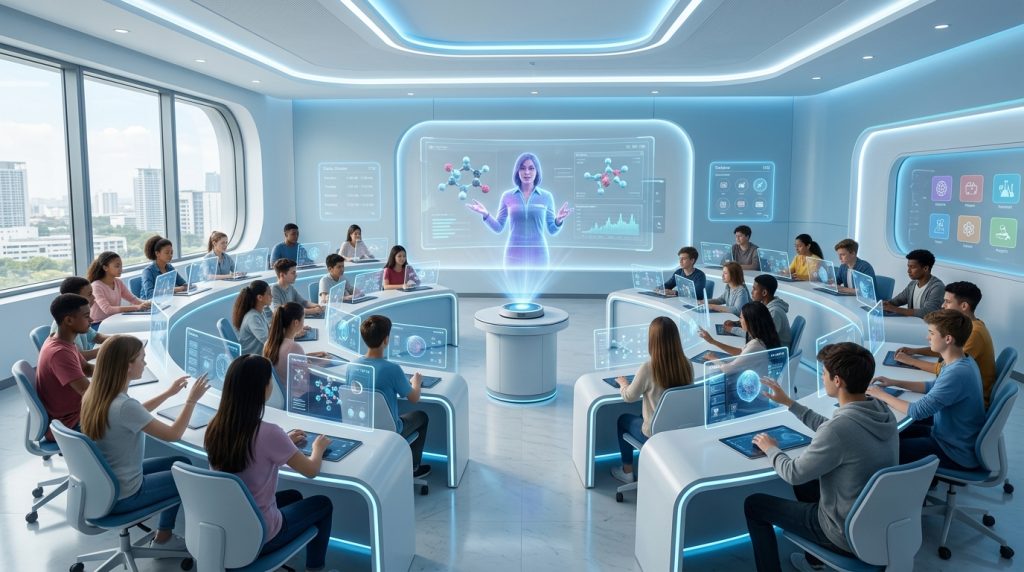
6.5 Education
Educators create:
- Animated explanations
- Lecture videos
- Language learning content
7. Advantages of AI Video Generation Platforms
7.1 Speed
Video production time reduces from days to minutes.
7.2 Cost Efficiency
No need for:
- Studios
- Cameras
- Actors
- Large production teams
7.3 Scalability
Businesses can generate:
- Hundreds of videos per month
- Multilingual content instantly
7.4 Accessibility
Non-technical users can create professional videos.
8. Limitations of AI Video Generation Platforms
Despite rapid progress, limitations remain:
8.1 Temporal Consistency Issues
- Flickering frames
- Object distortion
8.2 Limited Long-Form Video Support
Most tools still focus on short clips.
8.3 Lack of Full Creative Control
Users cannot fully direct every frame.
8.4 Ethical Concerns
- Deepfake misuse
- Synthetic identity issues
9. Future of AI Video Generation Platforms
The next 3–5 years will likely bring:
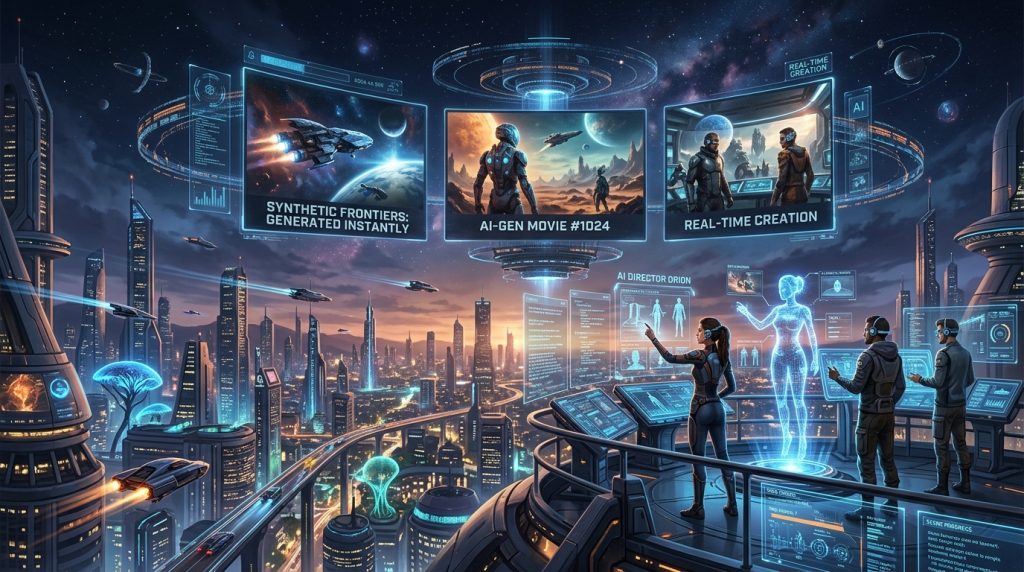
9.1 Real-Time Video Generation
Instant video rendering during editing.
9.2 Full-Length AI Films
Entire movies generated with AI consistency.
9.3 Interactive Video Content
Videos that change based on user input.
9.4 Hyper-Personalized Media
Every viewer gets a unique version of content.
9.5 Integration with Virtual Worlds
AI video merging with:
- AR
- VR
- Game engines
10. How to Choose the Right AI Video Platform
Choose based on your goal:
For cinematic content:
- Runway
- Luma AI
For social media:
- CapCut
- Pika Labs
For business videos:
- Synthesia
- HeyGen
- InVideo
For editing workflows:
- Descript
- CapCut
Conclusion
AI video generation platforms are fundamentally transforming the video production industry. What once required complex production pipelines can now be achieved using AI-driven systems that automate scripting, generation, editing, and localization.
Platforms like Runway, Pika Labs, Luma AI, Synthesia, HeyGen, Descript, CapCut, and InVideo represent different layers of this ecosystem—from pure generation to full production automation.
As the technology matures, AI video generation will move from a supporting tool to a primary production method across marketing, entertainment, education, and digital media industries.
The companies and creators that adopt these platforms early will have a significant advantage in speed, scale, and content output.

