

Blogging is the practice of publishing informative, educational, or entertaining content on a website to attract readers and build an online audience. Beginners can start blogging using free platforms such as Blogger and WordPress.com or build a professional website using self-hosted WordPress. Bloggers can potentially make money online through advertising, affiliate marketing, sponsored content, digital products, and freelance services. Success depends on publishing useful original content, attracting relevant visitors, and choosing suitable monetization methods. Blogging is not a guaranteed source of quick income, but it can become a long-term online business.
If you want to understand how to make money online, learn how to create a website, or develop a digital business, blogging is one option worth exploring.
This guide explains blogging for beginners, popular blogging websites, free blogging platforms, blogging apps, content ideas, and practical ways to generate money online.

What Is Blogging?
Blogging is the process of writing, publishing, and maintaining articles on a website. These articles are commonly called blog posts.
A blog can cover one specific subject or several closely related topics. Common examples include technology, education, business, travel, food, lifestyle, digital marketing, and personal finance.
For example, a technology blog might publish tutorials about artificial intelligence, smartphone applications, software, and online tools. An educational blog might provide exam preparation materials, solved questions, study guides, and learning resources.
Blogging has three fundamental components:
- Content creation: Writing articles, tutorials, reviews, and informational guides.
- Audience development: Attracting readers through Google, social media, email newsletters, and other channels.
- Monetization: Generating revenue through advertisements, affiliate marketing, sponsored content, or products.
Unlike social media posts, blog articles can remain accessible on your website and continue attracting readers over time.
How Does Blogging Work?
Blogging works through a publishing and audience-development process.
A blogger selects a topic, creates a website, researches what readers need, publishes useful articles, and promotes those articles to attract visitors.
For example, someone operating a blog about online earning might publish:
- How to Make Money Online in 2026
- How to Start Freelancing
- Best Free Blogging Websites
- How to Make Money on YouTube
- Best AI Tools for Beginners
When people search for these subjects, they may discover the articles through search engines. Some visitors may also arrive through social media, email newsletters, or links from other websites.
Once a blog develops an audience, its owner can introduce suitable income opportunities.
The blogging process:
- Choose a blogging niche.
- Select a blogging platform.
- Register a domain and set up the website.
- Research topics and keywords.
- Publish useful, original articles.
- Promote content and attract visitors.
- Build an audience and monetize the blog.
Google recommends creating helpful, reliable, people-first content rather than publishing articles primarily to manipulate search rankings. Google for Developers+1
Blogging for Beginners: How to Start a Blog
Starting a blog does not require advanced programming skills. Beginners can use website-building platforms to publish articles and manage their websites.
Follow these steps to start blogging.
Step 1: Choose a Profitable Blogging Niche
A blogging niche is the main subject your website covers.
Popular blogging niches include:
| Niche | Example content |
|---|---|
| Technology | AI tools, software, smartphones |
| Online earning | Freelancing, blogging, remote jobs |
| Education | Online learning, exams, tutorials |
| Digital marketing | SEO, social media, affiliate marketing |
| Lifestyle | Productivity, personal development |
| Travel | Destinations, travel tips, hotel guides |
| Food | Recipes, cooking tutorials |
| Finance | Budgeting, saving, financial education |
A suitable niche should combine three factors:
- Your knowledge or genuine interest.
- An audience with questions or problems.
- Realistic opportunities to monetize the content.
Do not select a niche only because someone claims it generates high advertising revenue. Competition, audience demand, content quality, and your ability to produce original material matter.
Step 2: Choose the Best Blogging Website
How to Make Money Online With Games in 2026: 7 Legitimate Ways to Earn
A blogging website is a platform that allows you to create, manage, and publish articles.
Popular options include:
- WordPress.org: Open-source publishing software offering extensive customization, themes, and plugins. Self-hosted websites require hosting and usually a domain.
- Blogger: Google’s blogging service, suitable for beginners who want a straightforward way to publish content.
- WordPress.com: A hosted publishing platform with free and paid plans.
- Medium: An online publishing platform for writers.
- Wix: A website builder with visual editing features.
- Substack: A publishing and newsletter platform.
WordPress.org provides control over website design, content, and extensions, while Blogger provides a simpler hosted blogging experience. WordPress.org+1
Which platform is best?
For a long-term professional blogging business, consider self-hosted WordPress. For experimenting with blogging without purchasing hosting, Blogger is a practical starting option.
Step 3: Register a Domain Name
A domain name is the address readers use to access your website.
Examples include:
example.commytechblog.comlearnonline.com
Choose a short, recognizable name related to your website’s identity.
A custom domain is useful for branding, but it does not automatically improve search rankings.
Step 4: Set Up Your Blog
After selecting your platform, configure your website.
Your basic setup should include:
- A responsive website theme.
- A clear navigation menu.
- An About page.
- A Contact page.
- A Privacy Policy.
- An organized category structure.
- HTTPS security.
- A sitemap and appropriate indexing settings.
Make sure readers can easily find articles and navigate between related topics.
Step 5: Research Keywords and Publish Articles
Keyword research helps you understand what people search for.
For a blogging website, relevant topics might include:
- Blogging for beginners.
- Best blogging websites.
- Free blogging websites.
- How to start a blog.
- How to make money online.
- Blogging ideas.
- How to make money on YouTube.
Write articles that provide direct answers, practical examples, and useful information.
Avoid publishing multiple articles that target the same search intent without providing a meaningful difference.
Make Money Online by Surveys: A Complete Guide for US Beginners
Best Blogging Websites in 2026
The best blogging website depends on your budget, technical experience, and publishing goals.

| Platform | Main advantage | Potential limitation |
|---|---|---|
| WordPress.org | Ownership and flexibility | Hosting and maintenance |
| Blogger | Simple and accessible | Limited customization |
| WordPress.com | Managed publishing | Plan-based restrictions |
| Medium | Existing reading community | Limited website control |
| Wix | Visual website design | Advanced features may require paid plans |
| Substack | Newsletter integration | Less suitable for complex websites |
Platform recommendations:
- For professional blogging: WordPress.org.
- For free beginner blogging: Blogger.
- For article publishing: Medium.
- For newsletter-based publishing: Substack.
- For visual website building: Wix.
Official platform resources:
Free Blogging Websites for Beginners
You can start blogging without purchasing a domain or hosting package.
Here are four options:
1. Blogger
Blogger allows users to create and manage blogs. You can choose a blog name and address, customize its design, and publish articles.
Official setup instructions: How to create a Blogger blog.
2. WordPress.com
WordPress.com provides a hosted blogging environment with a free starting plan. Advanced features and customization depend on the selected plan.
3. Medium
Medium allows writers to publish articles and reach readers through its publishing ecosystem.
4. Substack
Substack is useful for writers who want to publish articles and distribute them through email newsletters.
Free platforms are useful for learning, but they may limit customization, branding, monetization, or portability. Review each platform’s current terms before choosing one for a long-term business.
Best Blogging Apps: Manage Your Blog From Your Phone
A blogging app allows you to manage content without always using a desktop computer.
Useful applications include:
| App | Main purpose |
|---|---|
| WordPress | Publish and manage website content |
| Blogger | Manage Blogger posts |
| Google Docs | Write and organize articles |
| Canva | Design blog graphics |
| Grammarly | Check grammar and spelling |
| Google Analytics | Analyze website traffic |
You can use these tools to write drafts, edit articles, create featured images, and monitor website performance.
Blogging Login: How to Access Your Account
A blogging login is the account authentication process used to access your publishing dashboard.
The login process varies by platform:
- Blogger: Sign in through your Google account at Blogger.
- WordPress.com: Use your registered account at WordPress.com login.
- Medium: Access your account at Medium.
- Substack: Sign in at Substack.
For self-hosted WordPress, the standard administrator login is generally yourdomain.com/wp-admin.
Use a strong password and enable two-factor authentication wherever available.
Best Blogging Ideas for Beginners
Choosing the right blogging ideas helps you build a consistent publishing schedule.
Here are 20 ideas for new bloggers:
- How to Make Money Online.
- Best AI Tools for Beginners.
- How to Start Freelancing.
- Best Free Blogging Websites.
- How to Make Money on YouTube.
- Best Remote Jobs.
- How to Start an Online Business.
- Digital Marketing for Beginners.
- Best Productivity Apps.
- How to Use Artificial Intelligence.
- Best Online Learning Platforms.
- How to Create Digital Products.
- Social Media Marketing Tips.
- How to Start Affiliate Marketing.
- Best Free Graphic Design Tools.
- Blogging SEO Tips.
- How to Start a YouTube Channel.
- How to Sell Products Online.
- Online Business Ideas for Beginners.
- How to Build a Website Without Coding.
How can you find more blogging ideas?
Use Google Trends, keyword research tools, search suggestions, competitor content analysis, and questions from online communities.
For every topic, ask whether you can provide information that is more useful, specific, or practical than existing resources.
How to Make Money on the Internet in 2026: 10 Legitimate Ways
How to Make Money Online Through Blogging
Blogging can generate income through several business models. The most suitable approach depends on the audience, subject, traffic sources, and products or services being promoted.
Here are five established monetization methods.
1. Google AdSense
Google AdSense is an advertising program that allows eligible website publishers to display advertisements and earn revenue.
The general process is:
- Create a website.
- Publish original and useful articles.
- Build an audience.
- Review Google’s publisher policies.
- Apply for AdSense.
- Connect your website and complete the review process.
- Display advertisements after approval.
Google requires original, high-quality content that complies with its policies. Applicants must also meet its eligibility conditions, including the age requirement or applicable adult-account arrangement. Approval is not guaranteed. Google AdSense Help+2
Official website: Google AdSense.
2. Affiliate Marketing
Affiliate marketing allows bloggers to earn commissions by recommending products or services.
For example, a technology blogger might promote:
- Web hosting.
- AI software.
- Website themes.
- Online courses.
- Productivity applications.
When a reader follows an affiliate link and completes a qualifying transaction, the blogger may receive a commission under the program’s conditions.
The most effective affiliate articles provide genuine comparisons, useful demonstrations, and honest recommendations.
Always disclose affiliate relationships clearly.
3. Sponsored Blog Posts
Businesses may pay bloggers to publish sponsored content, product reviews, or promotional articles.
For example, a software company might sponsor an article introducing its new application to a relevant technology audience.
Sponsorship opportunities depend on audience relevance, engagement, content quality, and the blogger’s reputation.
Clearly identify paid partnerships and follow applicable advertising and search-engine link policies.
4. Selling Digital Products
Digital products allow bloggers to monetize their expertise directly.
Examples include:
- Ebooks.
- Online courses.
- Canva templates.
- Notion dashboards.
- AI master prompts.
- Printable planners.
- Educational study materials.
A blogger can publish free educational articles and recommend a relevant paid resource to readers who want a more detailed solution.
This approach does not require relying exclusively on advertising revenue.
5. Offering Freelance Services
A blog can function as an online portfolio.
Writers, graphic designers, web developers, SEO specialists, and video editors can publish informative articles that demonstrate their expertise.
Readers who need those services may contact the blogger for paid work.
This is particularly useful for people who want to combine blogging with freelancing.
FreelanceJobs: Find the Best Online Freelance Work in 2026
How to Make Money on YouTube Alongside Blogging
Blogging and YouTube can support each other through a shared content strategy.

For example, a blogger publishing an article about how to start freelancing can create a YouTube tutorial covering the same subject.
The article can include an embedded video, while the video description can link to the detailed written guide.
Other opportunities include:
- Converting articles into video scripts.
- Publishing tutorials on YouTube.
- Embedding relevant videos in blog posts.
- Promoting digital products through both channels.
- Building an email audience through blog content.
YouTube has separate monetization eligibility requirements.
For the standard advertising-revenue eligibility route, its published requirements include 1,000 subscribers and either 4,000 valid public watch hours in the previous 12 months or 10 million valid public Shorts views in the previous 90 days. Additional channel, country, account, and policy requirements apply. YouTube Help+1
Bilibili Guide 2026: App Download, Bilibili TV, Features and How to Make Money
Official resource: YouTube Partner Program eligibility.
Blogging or Vlogging: Which Is Better?
Blogging and vlogging are two content formats with different production requirements.
| Feature | Blogging | Vlogging |
|---|---|---|
| Format | Written articles | Videos |
| Main platforms | WordPress, Blogger, Medium | YouTube |
| Main skills | Research, writing, SEO | Recording, editing, presentation |
| Equipment | Computer or smartphone | Camera or smartphone, microphone |
| Discovery | Search engines, social media | Video recommendations, search |
| Monetization | Ads, affiliates, products | Ads, sponsorships, memberships |
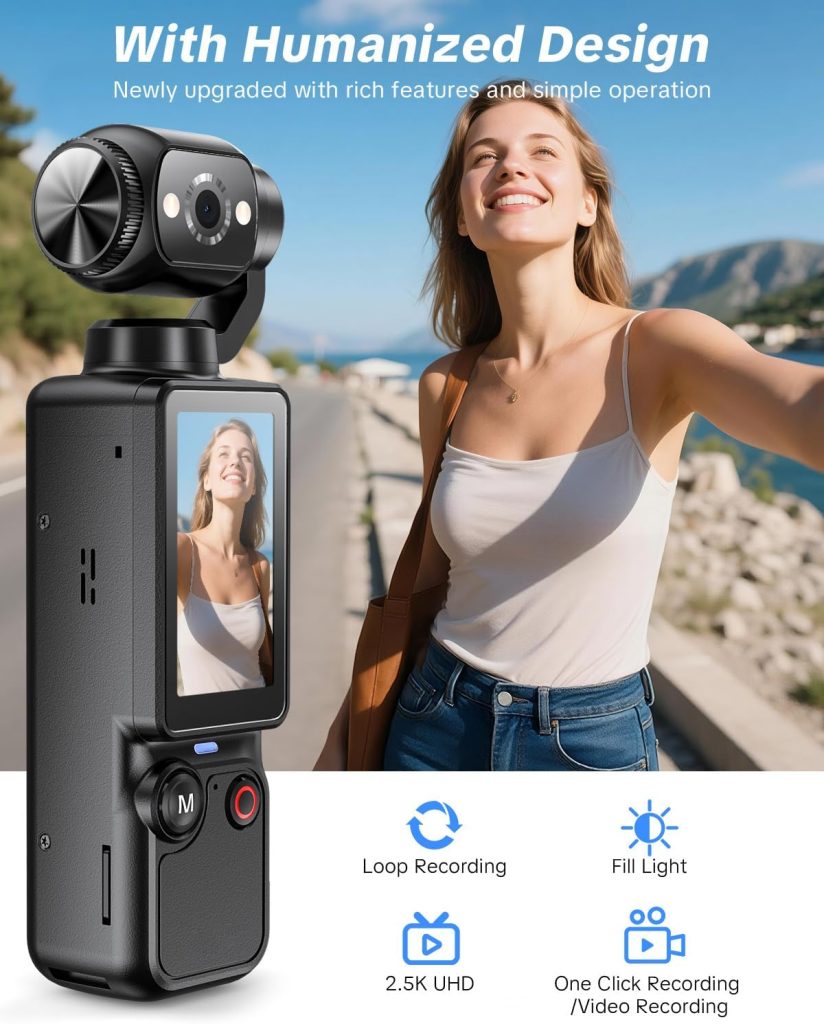
Vlogging Camera, Mini Camcorder, Portable Handheld Video Camera
Buy Now
Blogging is suitable for people who enjoy writing detailed explanations and tutorials. Vlogging is suitable for creators who prefer demonstrations, storytelling, and video communication.
Neither format guarantees higher income. A combined strategy can reach audiences who prefer different content formats.
How Long Does It Take to Make Money Blogging?
There is no fixed period in which a blogger is guaranteed to earn money.
Some websites attract visitors relatively quickly, while others take many months or longer to develop consistent organic traffic.
Important factors include:
- Competition within the niche.
- Originality and usefulness of articles.
- Search intent and keyword selection.
- Website usability and technical performance.
- Publishing consistency.
- Audience engagement.
- Monetization strategy.
Do not measure success only through the number of articles published. Measure whether your content solves real problems and attracts the right audience.
How to Make Money Online in 2026: 15 Legitimate Ways to Earn Income
4. Frequently Asked Questions About Blogging
1. How can I start blogging as a beginner?
Choose a niche, select a blogging platform, create your website, and publish helpful articles. Start with topics you understand and gradually learn keyword research, SEO, and content promotion.
2. How can I make money online through blogging?
You can make money online through Google AdSense, affiliate marketing, sponsored articles, digital products, and freelance services. Your income depends on traffic quality, audience interests, and monetization performance.
3. Which is the best free blogging website?
Blogger, WordPress.com, Medium, and Substack offer free publishing options. Blogger is suitable for beginners, while Medium is useful for writers who want to focus on publishing articles.
4. Can I earn money online without investing?
Yes. You can begin blogging using free platforms and create content without purchasing hosting. However, professional hosting, a custom domain, and additional tools may require investment as your website grows.
5. How do I generate money online without a website?
You can explore freelancing, YouTube, affiliate marketing, digital product sales, and other legitimate online business models. Each method has different requirements and earning potential.
6. How much can a beginner blogger earn?
There is no guaranteed earning amount. Beginners may initially earn nothing. Established bloggers may generate revenue through advertisements, sponsorships, affiliate commissions, and products.
7. Is blogging better than vlogging?
Blogging is suitable for written tutorials, guides, and search-focused content. Vlogging is suitable for video demonstrations and storytelling. The better choice depends on your skills and audience.
8. What are the best blogging apps?
WordPress, Blogger, Google Docs, Canva, and Grammarly are useful tools for writing, publishing, editing, and managing blog content.
9. Can I make money on YouTube and blogging together?
Yes. You can publish articles on your website and create related YouTube videos. Both platforms can promote each other and support advertising, affiliate marketing, and product sales.
10. Is blogging still worth starting in 2026?
Blogging can still be useful for building an online brand, attracting targeted visitors, and developing digital income opportunities. However, competition is significant, so original expertise and practical content are essential.
11. How do I find profitable blogging ideas?
Research audience problems, search suggestions, competitor topics, and keyword trends. Evaluate whether a topic has genuine demand and whether you can provide useful original information.
12. Do I need coding skills to start a blog?
No. Platforms such as Blogger, WordPress.com, and Wix provide website-building tools that allow beginners to publish content without programming knowledge.
5. Conclusion: Blogging as a Long-Term Online Business
Blogging is more than writing articles. It combines content creation, audience development, digital marketing, and online business.
Beginners can start with free blogging websites, learn how to publish useful content, and gradually build a professional website. Once an audience develops, monetization opportunities include Google AdSense, affiliate marketing, sponsored posts, digital products, and freelance services.
If your goal is to understand how to make money online, blogging offers a practical way to develop digital skills while building an online presence.
Start with one niche, research your audience, publish original content, and improve your website consistently. Avoid unrealistic income promises and focus on creating something valuable for readers.

