

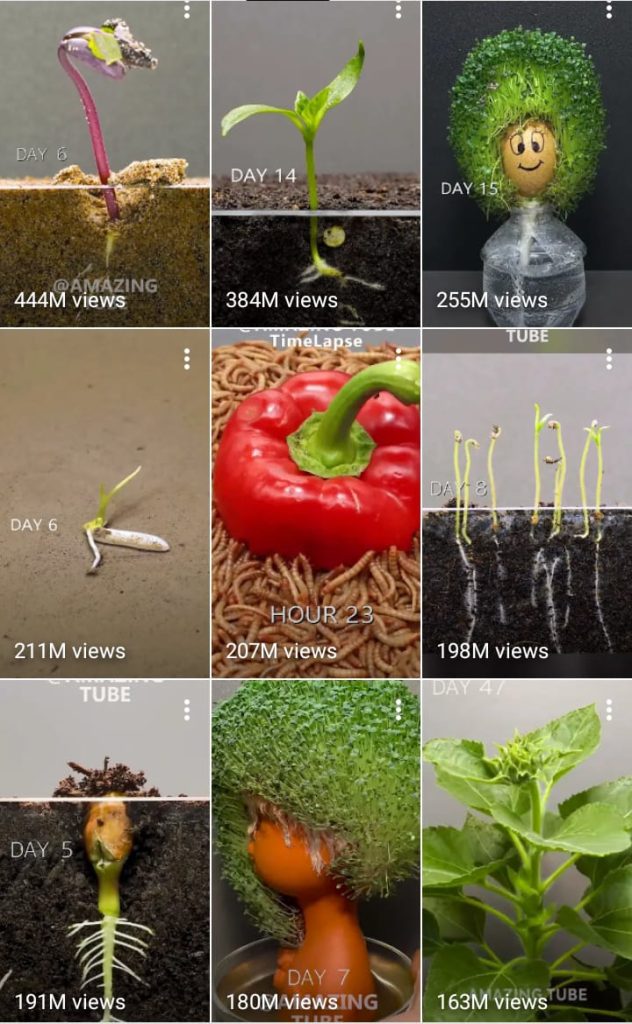
How to create macro plant-growth AI videos step by step:- Have you ever wanted to capture the magic of a blooming flower in seconds? Modern technology now allows artists to bridge the gap between nature photography and digital innovation. By mastering specific digital tools, you can produce stunning, lifelike sequences that mimic complex biological cycles with incredible precision.

This guide offers a beginner-friendly walkthrough for those eager to explore the niche of botanical animation. We will examine the intersection of generative software and organic movement. You will learn the essential techniques required to simulate nature’s beauty through high-quality digital frames.
Prepare to transform your creative workflow as we set the stage for your journey into the world of hyper-realistic animation. Whether you are a seasoned photographer or a digital enthusiast, these methods will elevate your portfolio to new heights.
Key Takeaways
- Understand the core intersection of generative technology and botanical photography.
- Learn the fundamental steps for simulating complex biological growth cycles.
- Discover essential software tools for producing high-precision digital sequences.
- Master techniques for achieving a hyper-realistic aesthetic in your projects.
- Gain confidence in navigating the evolving landscape of digital nature art.
Understanding the Art of AI-Generated Macro Botany
AI-generated botanical art is changing how we perceive the hidden growth cycles of nature. By blending complex algorithms with biological data, creators can now visualize microscopic details that were once impossible to capture. This intersection of technology and biology offers a breathtaking new canvas for digital artists.
The appeal of hyper-realistic nature visuals
The demand for hyper-realistic nature visuals has skyrocketed as audiences crave deeper connections to the natural world. These high-fidelity images reveal the intricate cellular structures and delicate textures of petals that the human eye often misses. Precision and clarity are the hallmarks of this digital movement, allowing for a level of detail that traditional photography simply cannot match.
Artists find immense freedom in this medium because they are no longer limited by physical constraints. They can manipulate light, color, and growth patterns to create scenes that feel both grounded in reality and wonderfully surreal. This artistic control makes hyper-realistic nature visuals a cornerstone of modern digital storytelling.
Why AI is replacing traditional time-lapse photography
Traditional time-lapse photography requires weeks of patient monitoring and expensive, specialized equipment. Creators often face logistical nightmares, such as changing weather conditions or the unpredictable nature of biological growth. AI removes these barriers by simulating the entire process in a controlled, virtual environment.
Efficiency and accessibility are the primary drivers behind this shift. Instead of waiting for a plant to bloom, a creator can generate a perfect sequence in a fraction of the time. This allows the artist to focus entirely on the narrative and aesthetic quality of the work rather than the technical hurdles of biological maintenance.
Essential Hardware and Software Requirements
Creating high-fidelity botanical animations requires a solid technical foundation. When you work with AI video generation tools, your computer must handle complex textures and organic movements with ease. Choosing the right setup ensures your creative workflow remains efficient and free from technical bottlenecks.
Recommended GPU specifications for local processing
Local rendering relies heavily on your graphics card’s performance. For the best results, you should prioritize a GPU with high VRAM capacity, as this is critical for processing high-resolution image generation tasks. We recommend at least 12GB of VRAM to maintain stability during long sequences.
Modern AI video generation tools perform best on NVIDIA hardware due to CUDA core optimization. A powerful GPU allows you to iterate faster and see your plant growth sequences come to life in real-time. Without sufficient memory, you may encounter frequent crashes or slow render times.
“The quality of your output is only as good as the hardware powering your creative vision.”
Cloud-based platforms for high-fidelity rendering
If your current hardware cannot keep up with demanding renders, cloud-based platforms offer a perfect solution. These services provide the necessary infrastructure to handle heavy computational loads remotely. You can access professional-grade power without needing to upgrade your local machine.
Many creators now prefer cloud solutions to maintain a smooth, professional workflow. These platforms allow you to scale your projects easily while using advanced AI video generation tools. The following table highlights the key differences between local and cloud-based processing environments.
| Feature | Local Processing | Cloud Rendering |
|---|---|---|
| Hardware Cost | High Initial Investment | Subscription Based |
| Performance | Limited by GPU VRAM | High-End Scalable Power |
| Data Privacy | Full Local Control | Depends on Provider |
| Accessibility | Requires Physical Access | Available Anywhere |
How to create macro plant-growth AI videos using image generation
Creating stunning plant-growth videos requires a solid foundation in image generation. The quality of your final output depends heavily on the initial phase where you define the subject’s appearance. By focusing on high-fidelity assets, you ensure that every frame of your animation remains sharp and realistic.
Setting the foundation with Midjourney
Midjourney is an excellent starting point for generating textures and organic shapes. When crafting your Midjourney plant prompts, focus on descriptive language that highlights natural lighting and macro details. Precision is key when you want to capture the intricate veins of a leaf or the delicate fuzz on a stem.
Try to include keywords related to camera settings, such as “macro lens” or “depth of field.” These additions help the AI understand that you are looking for a close-up, professional-grade photograph. A strong base image will serve as the anchor for all subsequent motion effects.
Using DALL-E 3 for specific botanical structures
Sometimes you need more control over the specific anatomy of a plant. DALL-E 3 excels at interpreting complex instructions, making it ideal for rendering DALL-E 3 botanical structures with high accuracy. If you are modeling a rare flower or a specific growth stage, this tool allows for iterative refinement.
You can provide detailed prompts that describe the exact curvature of petals or the arrangement of seeds. This level of control ensures that your botanical subjects look scientifically plausible. Consistency in your prompts will lead to a more cohesive visual narrative across your entire project.
Adjusting aspect ratios for cinematic output
Once your images are generated, you must consider the final display format. Using the correct Cinematic AI video aspect ratios is essential for a professional look. Most modern platforms favor widescreen formats, which provide a more immersive experience for the viewer.
Always set your aspect ratio parameters early in the generation process to avoid cropping issues later. A wider frame allows you to showcase the full beauty of the plant’s growth cycle. Proper framing transforms a simple clip into a cinematic masterpiece that captures the audience’s attention.
Crafting Effective Prompts for Botanical Realism
Mastering the art of botanical realism prompts is the most critical step in generating high-quality nature visuals. When you provide the AI with precise instructions, you bridge the gap between a generic image and a scientifically accurate masterpiece. This process requires a shift in how you describe the natural world to your software.
Describing macro textures and cellular details
To capture the essence of a plant, you must focus on the intricate details that define its structure. Instead of using vague terms, describe the specific surface characteristics like “waxy cuticle,” “vein patterns,” or “stomata pores.”
Using technical terminology helps the AI understand the complexity of your subject matter. You should mention specific textures such as fibrous, succulent, or translucent to guide the generation process toward a more realistic outcome.
Incorporating lighting keywords for natural depth
Lighting is the secret ingredient that gives your botanical subjects a sense of three-dimensional depth. By incorporating keywords like “subsurface scattering,” “golden hour glow,” or “soft diffused sunlight,” you simulate how light interacts with organic matter.
These terms tell the AI to render shadows and highlights in a way that mimics real-world photography. When light passes through a thin leaf, it creates a unique glow that makes the image feel alive and authentic.
“The quality of your AI output is directly proportional to the specificity of your input. When you describe the physics of light and texture, the machine begins to replicate the beauty of nature with startling accuracy.”
Avoiding common pitfalls in botanical AI prompts
One of the most frequent mistakes is over-complicating your descriptions with too many conflicting adjectives. If you provide too much information, the AI may struggle to prioritize the most important visual elements. Keep your botanical realism prompts concise and focused on the primary subject.
| Prompt Element | Weak Approach | Strong Approach |
|---|---|---|
| Texture | “Very detailed plant” | “Macro shot, waxy leaf surface, visible cellular veins” |
| Lighting | “Bright light” | “Soft morning sunlight, subsurface scattering, rim lighting” |
| Focus | “High quality” | “Shallow depth of field, 8k resolution, macro lens” |
Finally, avoid using buzzwords that do not describe physical attributes. Stick to descriptive language that defines the physical reality of the plant to ensure consistent and high-quality results every time you generate a new sequence.
Selecting the Right AI Video Generation Tools
Selecting the right AI video generation tools is essential for achieving professional results in your botanical projects. Each platform offers unique strengths that cater to different aspects of plant animation, from subtle leaf unfurling to complex blooming sequences.
Evaluating Runway Gen-2 for motion control
When you need precise movement, Runway Gen-2 motion control stands out as a top-tier choice. This tool allows you to define specific paths for your plant elements, ensuring that growth follows a logical and visually pleasing trajectory. It is particularly effective for creators who want to dictate exactly how a vine curls or how a stem rises toward the light.
Utilizing Luma Dream Machine for fluid growth
If your goal is to capture the organic, life-like transitions of nature, Luma Dream Machine growth capabilities are unmatched. This platform excels at generating fluid, soft movements that mimic the natural expansion of petals and leaves. It creates a sense of realism that feels less mechanical and more like a true time-lapse capture.
Master Prompt
MACRO PLANT-GROWTH AI VIDEO SYSTEM
MACRO PLANT-GROWTH AI VIDEO SYSTEM
ROLE
Act as a top-tier AI nature videographer, macro-lens cinematographer, and short-form content strategist skilled in crafting hyper-real plant-growth time-lapse clips. Goal: produce an eye-catching 10-second vertical AI clip that turns a single seed into a full-grown plant in one unbroken cinematic macro shot, built for YouTube Shorts, TikTok, and Reels.

BASE VIDEO SPECS
Length: 10 seconds exactly
Ratio: 9:16 vertical
Look: hyper-real macro footage, 8K photorealistic quality
Camera: smooth macro close-up, gentle organic drift
Light: warm golden early-sun with soft shadow play
Setting: dark, nutrient-rich soil in a classic terracotta pot, set in a lush garden
Detail: fine soil grain, glinting water beads, vivid leaves, realistic stem/flower/fruit surfaces
Palette: natural greens paired with true-to-life fruit and bloom colors
Motion: silky, gratifying time-lapse growth following real physics Exclude: on-screen text, logos, watermarks, speaking characters. Aim for a calming, ASMR-style visual feel throughout.
STEP 1 — GENERATE PLANT CONCEPTS
Produce 10 fresh plant-growth concepts, each built around a different fruit, vegetable, or flower (e.g., strawberry, cherry tomato, watermelon, sunflower, eggplant, pumpkin, chili, carrot, blueberry, mango).

Show them in a table: | # | Plant/Fruit | Pot & Soil Setup | Final Harvest |

After the table, stop and ask: Pick a number (1–10). Wait for the reply before moving on.

STEP 2 — BUILD THE SINGLE GROWTH PROMPT
Start only once a concept is picked. Write one continuous AI video prompt — no scene breaks. The full 10 seconds plays as one unbroken macro cinematic take, flowing naturally through:

Fertile soil settles into the terracotta pot under warm morning light
A lifelike hand plants one seed at the center
The hand covers it with fresh soil
Water (can or fine mist) hits the surface, throwing off sparkling droplets
Soil shifts and cracks slightly
A small sprout breaks through
The sprout stretches upward quickly
Bright leaves unfurl
The stem thickens and firms up
Buds form
Flowers open fully
Blooms turn into ripe fruit or vegetables
The harvest turns glossy, richly colored, fully mature, dew-covered
Camera eases back to show the full thriving plant glowing in golden light
Keep the whole transformation fluid, satisfying, and seamless.

FINAL OUTPUT
Deliver one richly detailed cinematic AI video prompt covering the full 10-second sequence, including:

Camera movement
Lighting
Setting
Growth animation
Natural physics
Macro-level detail
Time-lapse pacing
Closing shot
Sound design
Sound design should layer in realistic ambience: soft soil movement, gentle watering, subtle growth hum, leaves unfurling, blooms opening, fruit forming, a peaceful garden backdrop, and a light sparkling finish.

Length: 10 seconds exactly.

Always close every generated prompt with exactly: If you want another plant growth video, just type "more".
Comparing Kling AI for long-form sequences
For projects requiring extended duration, Kling AI long-form video features provide a distinct advantage. While many generators struggle with consistency over time, this tool maintains structural integrity across longer clips. It is the ideal solution for artists looking to showcase a full growth cycle from seed to flower without losing detail.
| Tool Name | Primary Strength | Best Use Case |
|---|---|---|
| Runway Gen-2 | Motion Control | Precise path animation |
| Luma Dream Machine | Fluidity | Organic blooming effects |
| Kling AI | Temporal Length | Extended growth cycles |
Animating Still Images with Motion Brushes
Bringing static botanical images to life requires a precise touch and the right digital tools. AI motion brushes offer a creative gateway to controlling exactly how your digital flora expands on screen. By painting over specific areas of a leaf or petal, you can dictate which parts of the image should move and which should remain anchored.

Defining growth paths with motion vectors
To achieve a natural look, you must define clear growth paths using motion vectors. These vectors act as invisible guides that tell the software how to stretch or expand the plant structure. Careful placement of these vectors ensures that petals and leaves grow in a biologically plausible manner rather than warping unnaturally.
Think of these vectors as the skeletal structure for your animation. When you align them with the natural veins of a leaf, the resulting movement feels organic and fluid. This level of control is essential for creating high-quality, believable nature sequences.
Controlling the speed of blooming sequences
Pacing is everything when you are simulating the slow, rhythmic process of a flower opening. You can adjust the intensity of your motion brushes to dictate how quickly a bloom unfolds. Slower speeds often yield a more majestic and realistic result, mimicking the actual time-lapse footage found in nature documentaries.
Experimenting with different timing settings allows you to match the growth to your video narrative. If you want a dramatic reveal, try accelerating the motion vectors at the peak of the bloom. This contrast in speed keeps the viewer engaged throughout the entire sequence.
Managing camera movement in macro shots
Adding a subtle macro shot camera movement can transform a flat animation into a cinematic experience. By simulating a slow zoom or a gentle pan, you create a sense of depth that draws the audience into the microscopic world of the plant. This technique adds a professional, dynamic feel to your final output.
Always keep your camera adjustments smooth and steady to avoid distracting the viewer. When you combine fluid motion with a well-executed macro shot camera movement, your AI-generated plants will truly stand out as works of art.
Applying Consistent Lighting and Texture Effects
Visual continuity acts as the glue that holds your macro plant-growth narrative together. When you stitch various clips into one sequence, even minor shifts in brightness or hue can distract the viewer. Consistency is the hallmark of professional cinematography, ensuring that your audience remains immersed in the natural world you have created.
Maintaining color grading across multiple clips
To achieve a uniform look, you should apply a master adjustment layer across your entire timeline. AI video color grading allows you to unify disparate clips by balancing the white point and saturation levels. Using a consistent Look-Up Table (LUT) helps bridge the gap between different generation sessions, giving your project a cohesive cinematic feel.
Simulating dew and surface reflections
Macro nature photography often relies on the subtle interplay of light on wet surfaces. You can simulate dew by layering high-resolution stock footage of water droplets over your generated clips with a “Screen” or “Overlay” blend mode. This adds a layer of organic realism that is difficult to achieve through generation alone.
Using post-processing filters for organic looks
Applying subtle AI video texture effects can help mask the digital artifacts that sometimes appear in generated footage. Adding a light layer of film grain or a soft bloom filter softens the edges of your plants, making them appear more lifelike. These filters act as a final polish, bridging the gap between raw digital output and authentic, high-quality video.
| Technique | Primary Benefit | Best Tool |
|---|---|---|
| Color Grading | Visual Harmony | DaVinci Resolve |
| Dew Overlays | Macro Realism | Adobe Premiere |
| Film Grain | Organic Texture | FilmConvert |
| Bloom Filters | Soft Lighting | Sapphire Plugins |
Refining Growth Sequences with Temporal Consistency
Mastering temporal consistency is the secret to professional-grade AI nature videos. When you generate plant growth, the AI often struggles to keep pixels stable across multiple frames. This lack of stability creates a distracting jitter that can pull viewers out of the experience.
Solving the flickering issue in AI video
To achieve a reliable AI video flickering fix, you should start by adjusting your generation settings. Lowering the motion intensity in your initial prompt often helps the model maintain better structural integrity. If the issue persists, consider using a lower seed value to keep the output more predictable.
Post-processing is another powerful way to clean up your footage. Many editors use de-flicker plugins designed specifically for time-lapse photography. These tools analyze the brightness levels of adjacent frames and normalize them to create a steady, professional look.
Using frame interpolation to smooth transitions
Sometimes, the movement between frames feels choppy because the AI generates too few images per second. Utilizing frame interpolation AI software allows you to insert synthetic frames between your existing ones. This process effectively doubles or triples your frame rate, resulting in a much smoother blooming sequence.
By increasing the fluidity of the motion, you make the plant growth appear more organic and lifelike. This technique is particularly useful when you want to slow down a rapid bloom to highlight delicate petal movements. Smooth transitions are essential for maintaining the illusion of real-time growth.
Techniques for seamless looping
Creating a seamless loop is a fantastic way to produce meditative, long-form nature content. To achieve this, you must ensure the first and last frames of your video are nearly identical. You can use cross-dissolve transitions in your editing software to blend the end of the clip back into the beginning.
Consistency is key when building these loops. By matching the lighting and color grading at both ends of the sequence, you create a cycle that feels infinite. This approach keeps your audience engaged with the beauty of nature without any jarring cuts.
Advanced Upscaling Techniques for Macro Detail
Transforming your AI-generated botanical clips into high-definition masterpieces is a critical final step. While modern generative tools are impressive, they often produce artifacts or blurriness when viewed on large 4K displays. Utilizing Topaz Video AI upscaling allows creators to bridge the gap between raw output and professional-grade digital media.

Topaz Video AI for resolution enhancement
Industry professionals rely on specialized software to refine their footage. Topaz Video AI stands out as the gold standard for sharpening and enhancing low-resolution AI clips. By leveraging sophisticated machine learning models, it intelligently reconstructs missing pixels while maintaining the integrity of the original botanical structures.
“Quality is never an accident; it is always the result of high intention, sincere effort, intelligent direction and skillful execution.”
William A. Foster
When you apply these tools, you ensure that every vein on a leaf and every dewdrop remains crisp. This process is essential for maintaining the hyper-realistic aesthetic that macro nature videography demands. Consistent use of Topaz Video AI upscaling ensures your work meets the highest standards for modern screens.
Restoring fine details lost during generation
AI generation sometimes sacrifices intricate textures in favor of overall composition. To combat this, you must focus on recovering the fine details that define macro photography. Using specific motion-deblur and sharpening models can breathe new life into soft sequences.
The following table outlines the key benefits of using advanced upscaling workflows for your botanical projects:
| Feature | Standard AI Output | Upscaled Result |
|---|---|---|
| Resolution | 1080p or lower | 4K UHD |
| Texture | Soft/Blurred | Crisp/Defined |
| Artifacts | Visible noise | Cleaned/Removed |
By mastering these techniques, you gain full control over the final visual impact of your plant growth videos. Remember that patience during the rendering phase is just as important as the initial prompt engineering. With the right approach, your macro content will look stunningly lifelike and professional.
Sound Design and Ambient Audio Integration
Bringing your digital plants to life requires more than just pixels; it demands a rich, immersive soundscape. While the visual growth of a flower is captivating, AI video sound design acts as the bridge that connects the viewer to the virtual environment. Without proper audio, even the most realistic animation can feel hollow or disconnected.
Sourcing organic nature soundscapes
To achieve a professional result, you should prioritize high-quality, organic audio files. Avoid generic stock sounds that might sound artificial or repetitive. Instead, look for field recordings that capture the subtle nuances of a real forest or garden.
Effective nature soundscape integration relies on layering different textures to build depth. Consider incorporating these elements into your project:
- Soft rustling leaves to mimic wind movement.
- Distant bird calls or insect chirps for environmental context.
- Subtle soil shifting sounds during the initial sprouting phase.
- Water droplets or morning dew drips for a fresh, botanical feel.
Syncing audio cues with plant movement
Once you have your audio assets, the next step is precise synchronization. Aligning specific sounds with the visual growth of your plant creates a cohesive sensory experience. If a leaf unfurls rapidly, a light “whoosh” or rustle should match that exact frame.
Focus on these techniques to ensure your audio feels natural:
- Match the intensity: Use louder, more distinct sounds for major growth spurts and quieter ambient tones for slow, steady development.
- Use volume automation: Fade your audio tracks in and out to match the pacing of the plant’s bloom.
- Spatial audio: Pan your sound effects slightly to match the position of the plant on the screen, creating a sense of 3D space.
By carefully layering these sounds, you transform a simple video into a professional-grade narrative. This final touch ensures that your audience feels fully immersed in the world you have created.
Editing and Sequencing Your Final Plant Growth Narrative
The final stage of your project involves weaving individual clips into a cohesive narrative. This is where your hard work in generation and refinement truly comes together to tell a story. A structured AI video editing workflow ensures that your botanical art feels intentional and visually stunning.
Structuring the growth timeline
To create a compelling experience, you must organize your clips to reflect a natural life cycle. Start by arranging your footage in a logical sequence, beginning with the initial seed germination and moving toward the final, vibrant bloom. Consistency is key when you are building this timeline.
Ensure that each clip transitions smoothly into the next to maintain the viewer’s focus. By grouping similar growth stages together, you provide a clear sense of progression. This methodical approach helps your audience appreciate the intricate details of the plant’s development.
Adding transitions for a professional flow
Once your clips are in place, you can enhance the viewing experience with professional AI video transitions. Subtle fades or cross-dissolves often work best for nature-themed content, as they mimic the slow, organic pace of plant life. Avoid overly flashy effects that might distract from the beauty of the botanical subjects.
Using the right pacing helps keep the audience engaged from start to finish. You should experiment with the duration of your transitions to find the perfect balance for your specific sequence. Implementing a polished AI video editing workflow will ultimately elevate your project, making your final output look like a high-end nature documentary. Utilizing professional AI video transitions effectively ensures that your narrative remains fluid and captivating throughout the entire video.
Conclusion
Creating macro plant-growth AI videos represents a unique blend of technical skill and artistic vision. This medium allows you to explore the natural world in entirely new ways. You now possess the knowledge to produce high-quality, hyper-realistic botanical content that captures the imagination.
Your journey into the world of AI-generated nature art is just beginning. We encourage you to continue experimenting with new prompts, motion settings, and editing styles to refine your unique creative voice. Every project offers a chance to push the boundaries of what digital tools can achieve.
Share your latest botanical creations with the growing community of digital artists. Your feedback and discoveries help others improve their own workflows. The possibilities for growth remain endless as technology evolves to support your vision.
FAQ
Why should I use AI for botanical animations instead of traditional time-lapse photography?
Traditional time-lapse photography often requires weeks of physical monitoring and expensive specialized camera equipment to capture a single bloom. By using AI tools like Runway Gen-2 or Luma Dream Machine, you can bypass these logistical constraints and focus entirely on your artistic expression, generating hyper-realistic macro botany sequences in a fraction of the time.
What kind of hardware do I need to generate high-fidelity plant videos locally?
To handle the intense computational demands of high-resolution image and video generation, you’ll need a powerful GPU with significant VRAM. If you don’t have access to a high-end local machine, cloud-based platforms are an excellent alternative, providing the necessary infrastructure to render professional-grade botanical sequences without technical bottlenecks.
Which image generator is better for botanical subjects: Midjourney or DALL-E 3?
It depends on your specific needs! Midjourney is fantastic for creating highly detailed, photorealistic textures and organic aesthetics. However, DALL-E 3 is often superior when you need precise botanical structures and anatomical accuracy. Many creators use a combination of both to set a strong foundation for their video projects.
How can I ensure the movement in my plant-growth video looks natural and fluid?
Using Luma Dream Machine is a great choice for achieving fluid growth and organic transitions. For more granular control, you can use Motion Brushes to define specific growth paths using motion vectors. This ensures that leaves and petals expand in a way that is biologically plausible and visually captivating.
How do I choose between Runway Gen-2, Luma Dream Machine, and Kling AI?
Each tool has its own strength. Runway Gen-2 offers advanced motion control features for precise adjustments. Luma Dream Machine excels at creating life-like, fluid transitions for blooming. If you are looking to create long-form sequences with a consistent narrative, Kling AI is currently one of the top choices for extended video generation.
What is the best way to fix the flickering effect often seen in AI-generated videos?
Flickering is a common challenge, but you can achieve better temporal consistency by using frame interpolation to smooth out the transitions between frames. Additionally, applying consistent color grading and post-processing filters helps create a seamless, professional look that minimizes distracting visual artifacts.
How can I make my macro plant shots look crisp even on 4K displays?
To ensure your work meets professional standards, we recommend using Topaz Video AI for advanced upscaling. This tool is the industry standard for resolution enhancement, allowing you to restore fine cellular details and textures that might have been softened during the initial AI generation process.
Does sound design really make a difference in AI nature videos?
Absolutely! Integrating organic nature soundscapes and syncing audio cues with plant movements—like a subtle rustle as a leaf unfurls—creates a much more immersive experience. High-quality ambient audio is the “secret sauce” that transforms a digital animation into a compelling, professional-grade narrative.
How can I maintain a consistent look across different video clips?
Consistency is achieved by maintaining uniform lighting keywords in your prompts and applying the same color grading settings during the editing phase. Simulating realistic elements like dew and surface reflections across all clips also helps bridge the gap between separate generations, resulting in a cohesive final product.

